How GM works to combat distracted driving, in and out of the car
2026-04-09
By: Chris Perkins, Senior Writer and Editor, GM News
For General Motors, automotive safety is about so much more than what a vehicle does in a crash. A huge part of the company’s safety efforts are around changing driver behavior – not just trying to keep passengers safe in the event of a crash but trying to prevent that crash in the first place. Which is why it's taking the opportunity this April, during Distracted Driving Awareness Month, to encourage drivers to put down their phones.
In 2024, the National Highway Traffic Safety Administration (NHTSA) recorded more than 3,200 fatalities and an estimated 315,000-plus injuries resulting from crashes involving distracted drivers. Many of those crashes are likely due to drivers being distracted by their phones: A 2016 National Institutes of Health (NIH) study found that that crash risk is 2-6 times higher when drivers are on their phones.
It’s not just phone usage either. That same 2016 NIH study found that behaviors like searching around a vehicle for a lost item or looking away from the road ahead of a crash increases a driver’s crash risk by 7-9 times.
“When you’re behind the wheel, your primary job is driving while taking eyes off the road is inevitable, each off-road glance should be short and punctuated by a long on-road glance to maintain proper awareness of the road scene,” said GM’s lead engineer for driver distraction Dan Glaser. “A single, seemingly trivial, glance from the road, if poorly timed, can be deadly.”
How GM’s Advanced Technology Tries to Combat Distracted Driving
GM is attempting to combat distraction in a number of ways. Most 2026 GM models have natural voice and hands-free features that allow drivers to activate navigation, adjust cabin temperature, select music sources, and more without taking their eyes off the road and hands off the wheel. All 2026 GM models offer hands-free phone calling with a cell phone over Bluetooth.
For 2025, GM introduced Driver Attention Assist1, 3 on select models. Based on tech developed for Super Cruise2 – the first driver-assist technology to monitor driver attention – Driver Attention Assist uses a small camera and sensors to look for signs of driver distraction or drowsiness. If either is detected, the vehicle will display alerts on the gauge cluster and either sound chimes or engage haptic seat vibration in vehicles so equipped to help reengage the driver. For 2026, GM introduced Driver Attention Assist 2.03, which can detect an unresponsive driver and slow the vehicle to a stop and call OnStar.
What You Can Do
“One of the best ways to avoid distractions is to prepare yourself for each drive,” Glaser said. In the spirit of Distracted Driver Awareness Month, here’s a list of steps drivers and passengers can take:
- Stow your phone: That text, email, notification isn't worth risking a life.
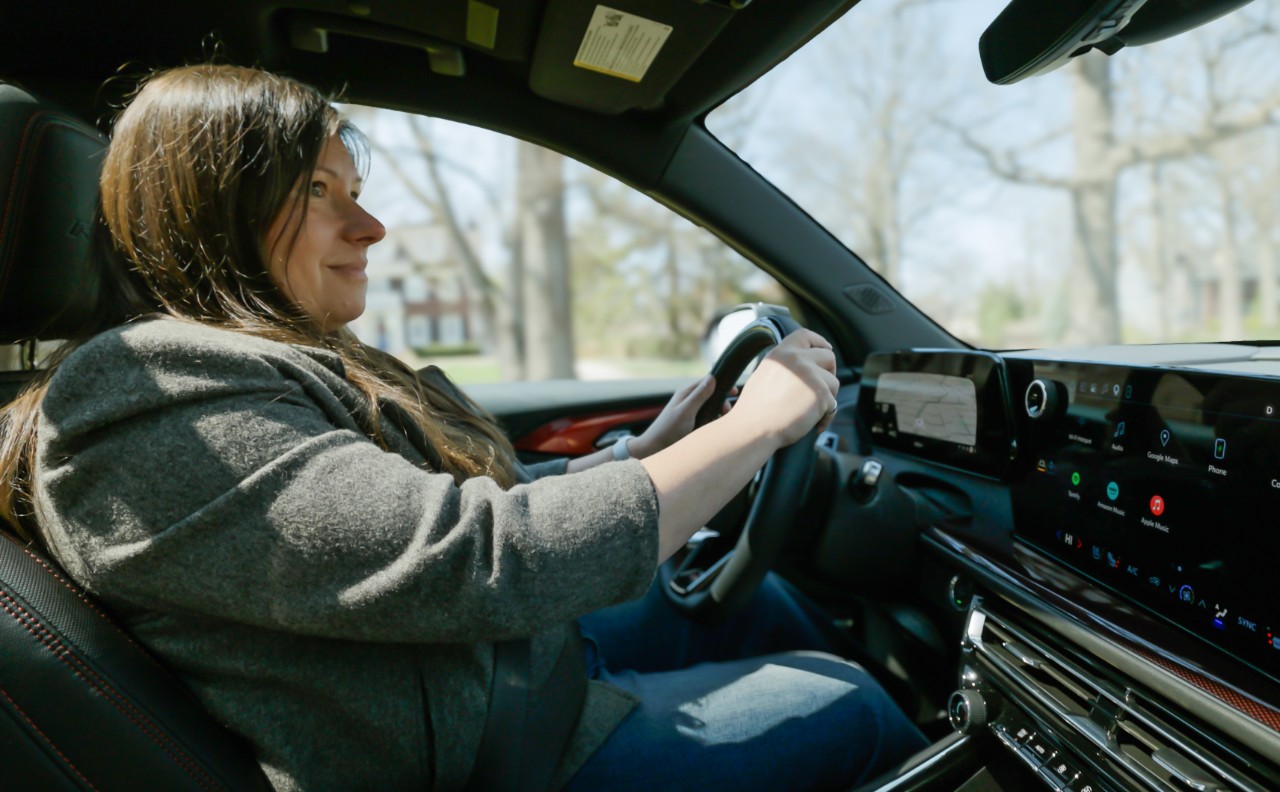
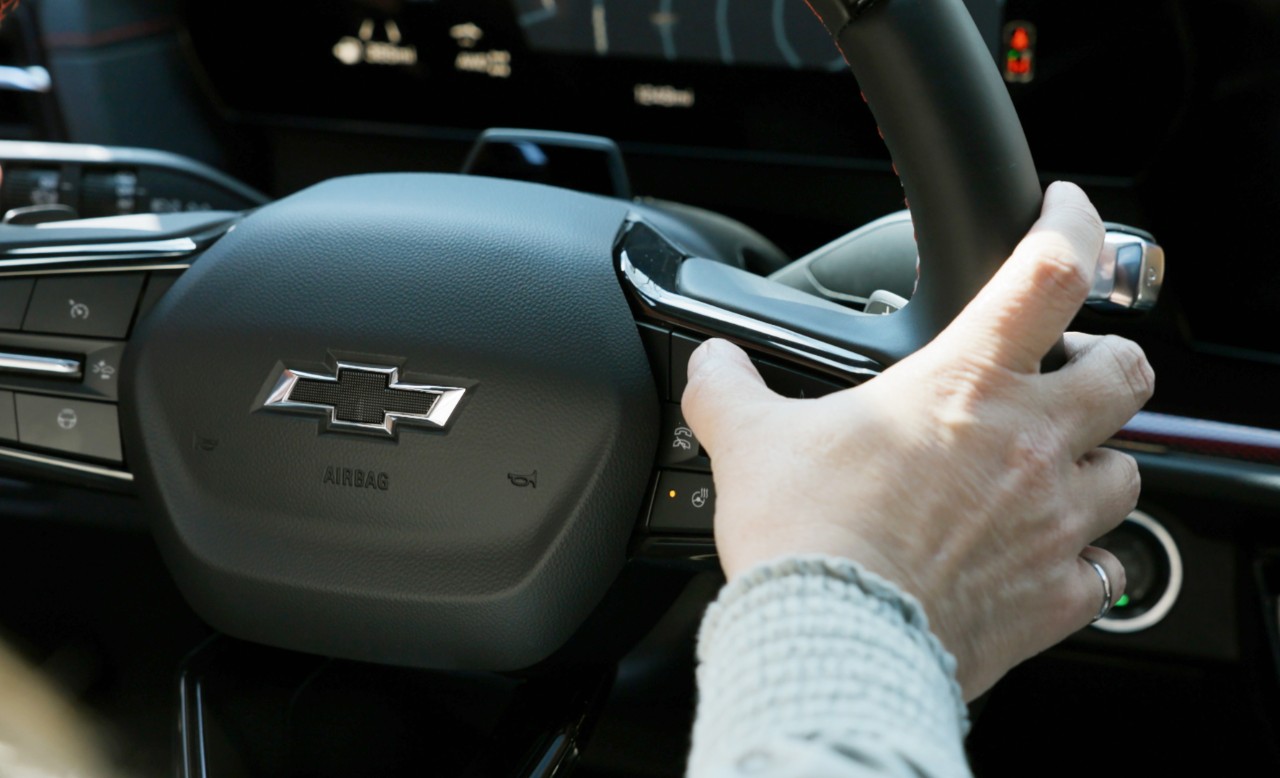
- Familiarize yourself with vehicle features: Access your favorite features with less distraction. Understand what you can do with voice and steering wheel buttons
- Simplify the drive: Get that text out of the way, find the best nav route, start that podcast that requires you to dig through your phone, before you start driving.
- Keep essentials handy: Position your water bottle and other items where they're easily accessible without looking away from the road.
- Take a moment: As it is with so much in life, taking a few deep breaths before driving away can help you focus on the task ahead.
Glaser also encourages passengers to speak up: If you're riding with a distracted driver, let them know you don't feel safe.
GM’s Philanthropic Efforts Support Road Safety
Helping to keep drivers’ hands on the wheel is also a major pillar of GM’s philanthropic giving. Over the last two years, we have invested more than $40 million in road safety programs, leading to roughly 700,000 people pledging to help prevent distracted driving. GM supports several nonprofit partners in this effort including the Governors Highway Safety Association, the National Safety Council and Teens in the Driver Seat.
“Please remember that every time we pick up a phone behind the wheel, we’re teaching the kids in the back seat that a text is worth more than their safety,” said Glaser. “Put it away, focus on driving, and show them that nothing on a screen is more important than everyone getting home alive and well.”
1. Safety or driver assistance features are no substitute for the driver’s responsibility to operate the vehicle in a safe manner. The driver should remain attentive to traffic, surroundings, and road conditions at all times. Visibility, weather, and road conditions may affect feature performance. Read the vehicle’s owner’s manual for more important feature limitations and information.
2. Always pay attention while driving and when using Super Cruise. Always use Super Cruise in accordance with local laws. Do not use a hand-held device. Requires active Super Cruise plan or trial. Terms apply. Visit Buick.com, Cadillac.com, Chevrolet.com, or GMC.com for compatible roads and full details.
3. Driver Attention Assist may not always detect the driver’s drowsiness or distraction status accurately. Driver Attention Assist is an assistance service and the driver should always pay attention to the road. The driver should take rest breaks when they’re tired or drowsy. Since Driver Attention Assist is a camera-based system, keep hands off the camera and infrared LED banks to ensure the camera can see/detect/monitor the driver’s face and function properly.
By: Chris Perkins, Senior Writer and Editor, GM News
For General Motors, automotive safety is about so much more than what a vehicle does in a crash. A huge part of the company’s safety efforts are around changing driver behavior – not just trying to keep passengers safe in the event of a crash but trying to prevent that crash in the first place. Which is why it's taking the opportunity this April, during Distracted Driving Awareness Month, to encourage drivers to put down their phones.
In 2024, the National Highway Traffic Safety Administration (NHTSA) recorded more than 3,200 fatalities and an estimated 315,000-plus injuries resulting from crashes involving distracted drivers. Many of those crashes are likely due to drivers being distracted by their phones: A 2016 National Institutes of Health (NIH) study found that that crash risk is 2-6 times higher when drivers are on their phones.
It’s not just phone usage either. That same 2016 NIH study found that behaviors like searching around a vehicle for a lost item or looking away from the road ahead of a crash increases a driver’s crash risk by 7-9 times.
“When you’re behind the wheel, your primary job is driving while taking eyes off the road is inevitable, each off-road glance should be short and punctuated by a long on-road glance to maintain proper awareness of the road scene,” said GM’s lead engineer for driver distraction Dan Glaser. “A single, seemingly trivial, glance from the road, if poorly timed, can be deadly.”
How GM’s Advanced Technology Tries to Combat Distracted Driving
GM is attempting to combat distraction in a number of ways. Most 2026 GM models have natural voice and hands-free features that allow drivers to activate navigation, adjust cabin temperature, select music sources, and more without taking their eyes off the road and hands off the wheel. All 2026 GM models offer hands-free phone calling with a cell phone over Bluetooth.
For 2024, GM introduced Driver Attention Assist1, 3 on select models. Based on tech developed for Super Cruise2 – the first driver-assist technology to monitor driver attention – Driver Attention Assist uses a small camera and sensors to look for signs of driver distraction or drowsiness. If either is detected, the vehicle will display alerts on the gauge cluster and either sound chimes or engage haptic seat vibration in vehicles so equipped to help reengage the driver. For 2025, GM introduced Driver Attention Assist 2.03, which can detect an unresponsive driver and slow the vehicle to a stop and call OnStar.
What You Can Do
“One of the best ways to avoid distractions is to prepare yourself for each drive,” Glaser said. In the spirit of Distracted Driver Awareness Month, here’s a list of steps drivers and passengers can take:
- Stow your phone: That text, email, notification isn't worth risking a life.
- Familiarize yourself with vehicle features: Access your favorite features with less distraction. Understand what you can do with voice and steering wheel buttons
- Simplify the drive: Get that text out of the way, find the best nav route, start that podcast that requires you to dig through your phone, before you start driving.
- Keep essentials handy: Position your water bottle and other items where they're easily accessible without looking away from the road.
- Take a moment: As it is with so much in life, taking a few deep breaths before driving away can help you focus on the task ahead.
Glaser also encourages passengers to speak up: If you're riding with a distracted driver, let them know you don't feel safe.
GM’s Philanthropic Efforts Support Road Safety
Helping to keep drivers’ hands on the wheel is also a major pillar of GM’s philanthropic giving. Over the last two years, we have invested more than $40 million in road safety programs, leading to roughly 700,000 people pledging to help prevent distracted driving. GM supports several nonprofit partners in this effort including the Governors Highway Safety Association, the National Safety Council and Teens in the Driver Seat.
“Please remember that every time we pick up a phone behind the wheel, we’re teaching the kids in the back seat that a text is worth more than their safety,” said Glaser. “Put it away, focus on driving, and show them that nothing on a screen is more important than everyone getting home alive and well.”
1. Safety or driver assistance features are no substitute for the driver’s responsibility to operate the vehicle in a safe manner. The driver should remain attentive to traffic, surroundings, and road conditions at all times. Visibility, weather, and road conditions may affect feature performance. Read the vehicle’s owner’s manual for more important feature limitations and information.
2. Always pay attention while driving and when using Super Cruise. Always use Super Cruise in accordance with local laws. Do not use a hand-held device. Requires active Super Cruise plan or trial. Terms apply. Visit Buick.com, Cadillac.com, Chevrolet.com, or GMC.com for compatible roads and full details.
3. Driver Attention Assist may not always detect the driver’s drowsiness or distraction status accurately. Driver Attention Assist is an assistance service and the driver should always pay attention to the road. The driver should take rest breaks when they’re tired or drowsy. Since Driver Attention Assist is a camera-based system, keep hands off the camera and infrared LED banks to ensure the camera can see/detect/monitor the driver’s face and function properly.