By: Kurt Kelty, VP, battery, propulsion, and sustainability, General Motors
For decades, battery progress has been defined by familiar performance metrics such as better energy density, higher power, and faster charging. Those headline metrics still matter, especially in electric vehicles. But as electricity demand rises and data centers consume a growing share of U.S. power, the battery conversation is changing.
When you’re talking to a utility, a hyperscaler, or other power providers in need of energy storage solutions, their priority is not maximizing range or minimizing weight. It is delivering reliable, affordable power over long periods of time in real-world conditions.
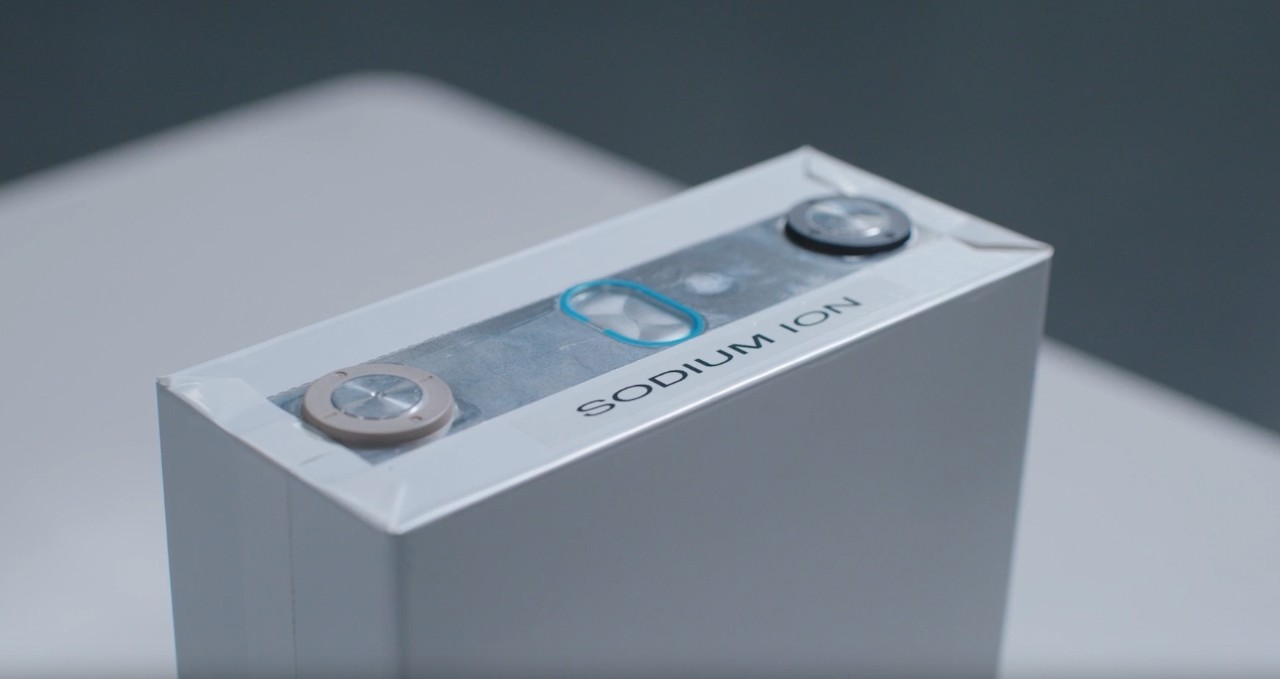
That is what makes sodium-ion battery technology so compelling, and it is why we at GM are developing next-generation sodium-ion battery cells purpose built for grid-scale storage, in partnership with Peak Energy and backed by a strategic investment our GM Ventures arm is making into the company.
The right battery for the right application
This idea sits at the center of our battery strategy at GM. We start with what customers need, then engineer backward from there. That is how we think about vehicles. It is how we are thinking about the grid, and why we believe sodium-ion will be a defining chemistry for grid-scale energy storage systems (ESS) in the years ahead.
At a foundational level, a sodium-ion battery works much like a lithium-ion battery. It stores and releases energy through the movement of ions during charging and discharging. Sodium and lithium sit in the same column of the periodic table, so they share important chemical similarities. But they do not behave in exactly the same way, and those differences create a meaningful opportunity to design batteries with a performance profile tailored for a different class of applications.
In grid-scale stationary storage systems, if we can make the cell more tolerant and more robust, we can remove complexity elsewhere in the system. That can translate into a quieter, simpler, lower-maintenance ESS for the customer.
Compared with incumbent chemistries, sodium-ion can perform across a wider range of temperatures and for more cycles. That means sodium ion-powered energy storage systems have the potential to operate without active cooling and with much less system complexity. In large energy storage systems, that matters. Active cooling requires more hardware, more maintenance, more noise and more opportunities for failure — all of which can drive costs higher over time.
That is one reason our work with Peak Energy is so important. Peak’s energy storage platform is already demonstrating how sodium-ion’s strengths can translate into lower costs and greater reliability for customers such as Jupiter Power. For stationary storage operators, that is a meaningful advantage. They are looking for dependable assets that are safe and require less intervention and achieve lower total operating costs — exactly the kind of performance profile that makes sodium-ion so well suited to grid-scale applications.
How it could change the energy storage landscape
PLACEHOLDER FOR GIF
That does not mean sodium-ion has to do everything on day one. In fact, what really excites us about sodium-ion is how much headroom remains in its development.
Sodium is one of the most abundant elements on Earth, and that abundance creates a path toward battery systems built from more accessible materials with greater long-term resilience.
And because sodium-ion cells share important architectural similarities with lithium-ion, we can apply the battery expertise GM has built in cell design, prototyping and industrialization to help move this chemistry forward.
Our next-generation sodium-ion cell development will drive energy density higher, with the potential to outperform more mature chemistries, including LFP, over time. In a market increasingly shaped by cost pressure, energy demand growth and geopolitical risk, that’s a real differentiator.
Why GM’s approach is distinctive
We are building on GM battery know-how here in the United States for a grid market that needs durable, cost-effective storage at scale.
It begins in Warren, Michigan, where we have built a centralized battery R&D engine. This is where we’re advancing chemistries like LMR for EVs, and we’re now extending it from the vehicle to the grid.
Every improvement we make strengthens the development stack that supports both EVs and energy storage. We’ve done it with breakthrough chemistries like LMR for EVs, and we’ll apply the same expertise to advancing sodium ion. This includes prototyping sodium-ion cells purpose-built for stationary storage this year at our Wallace Battery Cell Innovation Center.
Now, while we invest in the next generation of storage, we are also supporting near-term grid demand with a broad portfolio of storage solutions. This includes moving fast through our Ultium Cells joint venture with LG Energy Solution. Ultium Cells will begin producing LFP batteries to serve LG’s commercial energy storage business — showing how we’re leveraging our existing footprint and manufacturing know-how to deliver energy storage solutions on the grid quickly
Repurposed GM EV batteries are already working today in energy storage systems. Together with Redwood Materials, we are deploying roughly 10,000 GM batteries into energy infrastructure, including Crusoe’s AI data center in Sparks, Nevada. Starting next year, we also plan to deploy second-life battery packs at one of our own Michigan plants, where roughly 100 packs are expected to provide 7.2 MWh of dispatchable energy and save more than $3 million in local electricity costs over the life of the installation. This is all about moving quickly to help meet demand that exists today.
The future of batteries will be defined by matching the right chemistry to the right job and then executing better than anyone else. That is how we think about vehicles. It is how we think about the grid. And it is why we believe sodium-ion can become a defining chemistry for grid-scale energy storage in the years ahead.
At GM, we have built deep battery expertise in the U.S., along with the talent, technical capability and infrastructure to lead. Now we are extending that leadership beyond the vehicle and into the electrical grid itself. If we get this right, we will not just build better batteries. We will help create a more resilient, more affordable and more flexible energy future.
By: Kurt Kelty, Vice President, Battery & Sustainability
For decades, battery progress has been defined by familiar performance metrics such as better energy density, higher power, and faster charging. Those headline metrics still matter, especially in electric vehicles. But as electricity demand rises and data centers consume a growing share of U.S. power, the battery conversation is changing.
When you’re talking to a utility, a hyperscaler, or other power providers in need of energy storage solutions, their priority is not maximizing range or minimizing weight. It is delivering reliable, affordable power over long periods of time in real-world conditions.
That is what makes sodium-ion battery technology so compelling, and it is why we at GM are developing next-generation sodium-ion battery cells purpose built for grid-scale storage, in partnership with Peak Energy and backed by a strategic investment from our GM Ventures arm.
The right battery for the right application
At GM, our core philosophy is matching the right chemistry to the right job and then executing better than anyone else. We start with what customers need, then engineer backward from there. That is how we think about vehicles. It is how we are thinking about the grid, and why we believe sodium-ion will be a defining chemistry for grid-scale energy storage systems (ESS) in the years ahead.
At a foundational level, a sodium-ion battery works much like a lithium-ion battery. It stores and releases energy through the movement of ions during charging and discharging. Sodium and lithium sit in the same column of the periodic table, so they share important chemical similarities. But they do not behave in exactly the same way, and those differences create a meaningful opportunity to design batteries with a performance profile tailored for a different class of applications.
In grid-scale stationary storage systems, if we can make the cell safer and more robust, we can remove complexity elsewhere in the system. That can translate into a quieter, simpler, lower-maintenance ESS for the customer.
Compared with incumbent chemistries, sodium-ion can perform across a wider range of temperatures and for more cycles. That means that sodium ion-powered energy storage systems have the potential to operate without active cooling and with much less system complexity. In large energy storage systems, that matters. Active cooling requires more hardware, more maintenance, more parasitic energy losses, more noise and more opportunities for failure — all of which can drive costs higher over time.
That is one reason our work with Peak Energy is so important. Peak’s energy storage platform is already demonstrating how sodium-ion’s strengths can translate into lower costs and greater reliability. For stationary storage operators, that is a meaningful advantage. They are looking for dependable assets that are safe and require less intervention and achieve lower total operating costs — exactly the kind of performance profile that makes sodium-ion so well suited to grid-scale applications.
How it could change the energy storage landscape
That does not mean sodium-ion has to do everything on day one. In fact, what really excites us about sodium-ion is how much headroom remains in its development.
LFP has improved significantly over the past 25 years, but as it has matured, those gains are beginning to plateau. Sodium-ion, like LMR, is still early in its development curve, which gives us more room to drive meaningful improvements as the technology matures.
Sodium is one of the most abundant elements on Earth, and that abundance creates a path toward battery systems built from more accessible materials with greater long-term resilience.
And because sodium-ion cells share important architectural similarities with lithium-ion, we can apply the battery expertise GM has built in cell design, prototyping and industrialization to help move this chemistry forward.
Our next-generation sodium-ion cell development will drive energy density higher, with the potential to outperform more mature chemistries, including LFP, over time. In a market increasingly shaped by cost pressure, energy demand growth and geopolitical risk, that’s a real differentiator.
Why GM’s approach is distinctive
We are building on GM battery know-how here in the United States for a grid market that needs durable, cost-effective storage at scale.
It begins in Warren, Michigan, where we have built a centralized battery R&D engine. This is where we’re advancing chemistries like LMR for EVs, and we’re now extending it from the vehicle to the grid.
Every improvement we make strengthens the development stack that supports both EVs and energy storage. We’ve done it with breakthrough chemistries like LMR for EVs, and we’ll apply the same expertise to advancing sodium-ion. This includes prototyping sodium-ion cells purpose-built for stationary storage this year at our Wallace Battery Cell Innovation Center.
Now, while we invest in the next generation of storage, we are also supporting near-term grid demand with a broad portfolio of storage solutions. We're moving fast through our Ultium Cells joint venture with LG Energy Solution. Ultium Cells will begin producing LFP batteries within this month to serve LG Energy Solution’s commercial energy storage business — showing how we’re leveraging our existing footprint and manufacturing know-how to deliver energy storage solutions on the grid quickly.
Repurposed GM EV batteries are already working today in energy storage systems. Together with Redwood Materials, we are deploying roughly 10,000 GM batteries into energy infrastructure, including Crusoe’s AI data center in Sparks, Nevada. Starting next year, we also plan to deploy second-life battery packs at one of our own Michigan plants, where roughly 100 packs are expected to provide 7.2 MWh of dispatchable energy and save more than $3 million in local electricity costs over the life of the installation. This is all about moving quickly to help meet demand that exists today, and we’re proud to be the first automaker to partner with Redwood on the full battery lifecycle – from recycling manufacturing scrap to now deploying second-life batteries as ESS.
At GM, we have built deep battery expertise in the U.S., along with the talent, technical capability and infrastructure to lead. Now we are extending that leadership beyond the vehicle and into the electrical grid itself. If we get this right, we will not just build better batteries. We will help create a more resilient, more affordable and more flexible energy future
This is a div used for identification purpose on the lightbox.
Oops, Your lightbox has reached it's max.
Please view your lighbox to modify the assets. It is recommended that you download your current lightbox contents and clear its assets to add more.