
By Ty Allushuski, Plant Communications Lead, Factory ZERO
By Ty Allushuski, Plant Communications Lead, Factory ZERO
On the Factory ZERO shop floor, Chelsea Zenk is known as a focused, steady people leader in General Assembly. On Sunday nights, however, you’ll find her lacing up skates, stepping onto the ice, and trading production scores for performance scores as a competitive figure skater.
Skating has been part of Zenk’s life since she was four years old. Growing up in Southeast Michigan, she skated through high school, following in the footsteps of her cousin and forming friendships that still matter today. Like many athletes, college, career, and life eventually pulled her away from competition. But about 16 years ago, an unexpected Facebook message changed everything.
“A group was looking to put together an adult synchronized skating team,” Zenk said. “Some women I skated with when I was younger were excited about it, and I remember thinking, ‘I need this in my life.’”
At the time, Zenk was working as a Group Leader at Detroit-Hamtramck Assembly. She joined the team, competed that first season, and hasn’t stopped since. For the past 16 years, her team has taken the ice every season – sometimes at higher competitive levels, sometimes dialing it back as life demands – but always together. One of her current teammates is a close friend she skated with as a teenager, when they served as captain and co-captain on the same youth team.
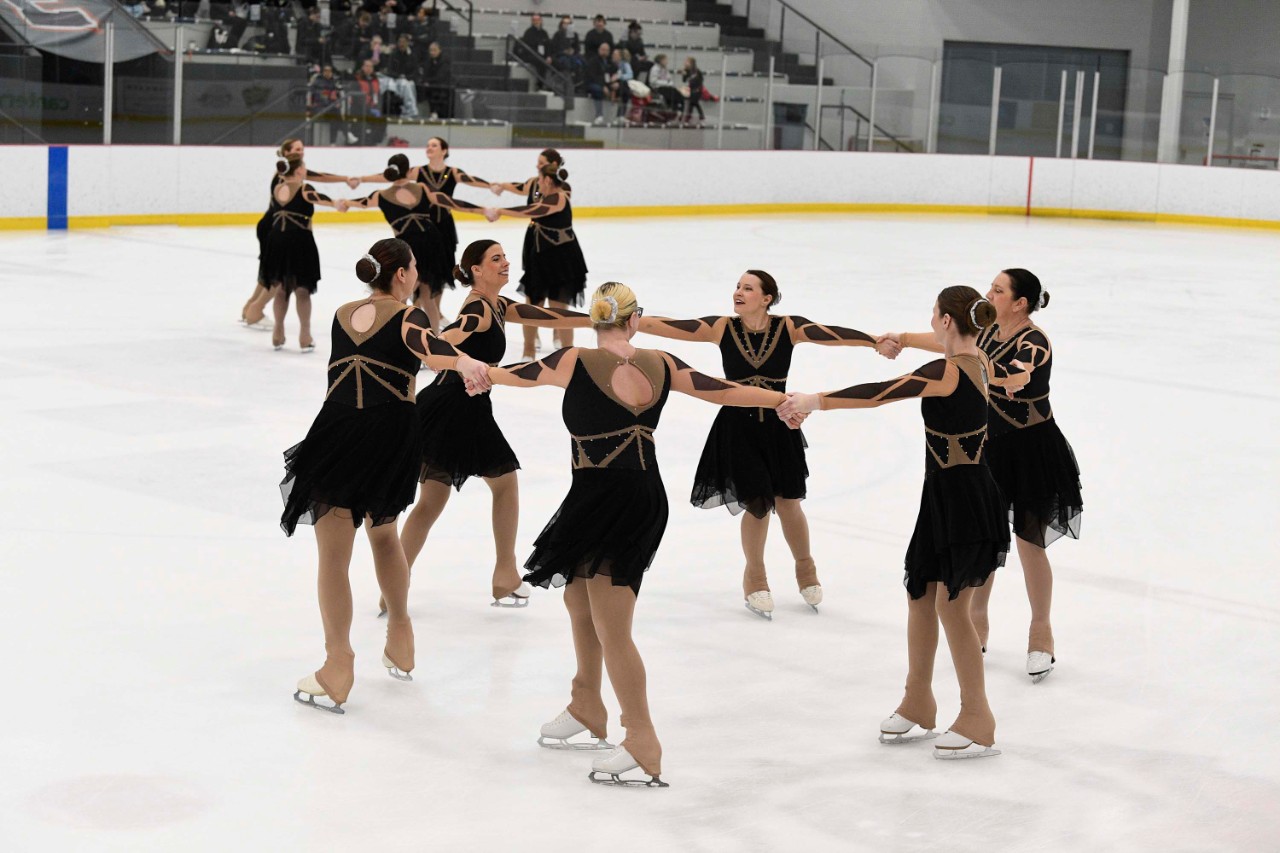
Today, Zenk competes in adult synchronized skating under the U.S. Figure Skating Association umbrella, the same governing body that supports Olympic-level athletes. Her Evolution Synchronized Skating Team practices weekly out of the Taylor Sportsplex and competes in four to five events each season, traveling throughout Michigan and the Midwest, with past trips ranging from North Dakota to Oregon and Rhode Island.
“Our season starts at the end of summer and runs through late February or early March,” she explained. “Once the program is set, every practice is about improving – either increasing difficulty or improving quality. We’re always skating against our last score and trying to be better.”
Balancing competition with a demanding leadership role takes planning. Practices fall on Sunday nights, when there’s no production at the plant, and competition travel is carefully scheduled around work responsibilities. For Zenk, the balance is intentional — and essential.
“It’s important to have something that’s mine,” she said. “When I step on the ice, I don’t have to be the person in charge anymore. It recharges me so I can come back to the plant ready for the next challenge.”
The parallels between synchronized skating and manufacturing aren’t lost on her. Both demand precision, accountability, and teamwork.
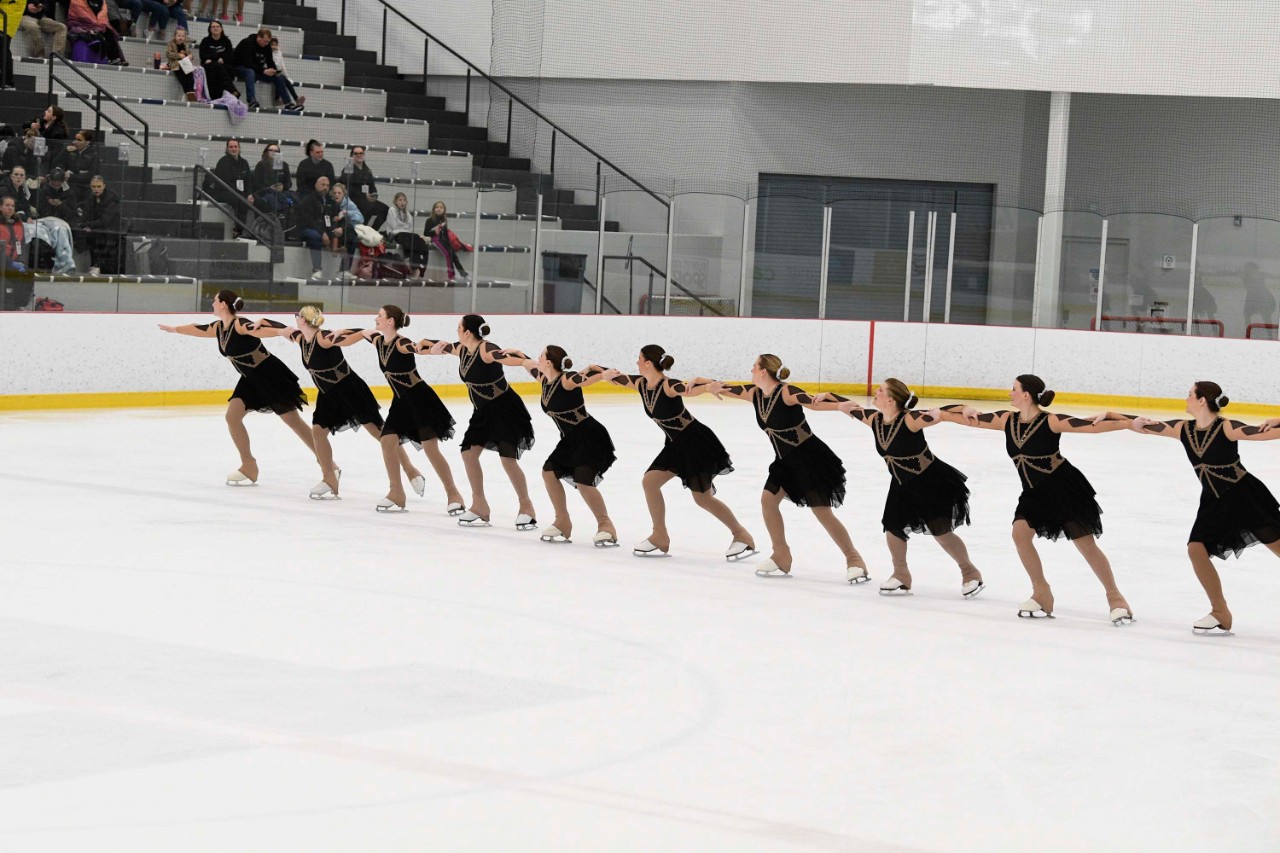
“Everyone has to be on the same step at the same time,” Zenk said. “In skating and in manufacturing, it’s a team sport. You evaluate your performance, figure out what needs to improve, and attack the next day with focus.”
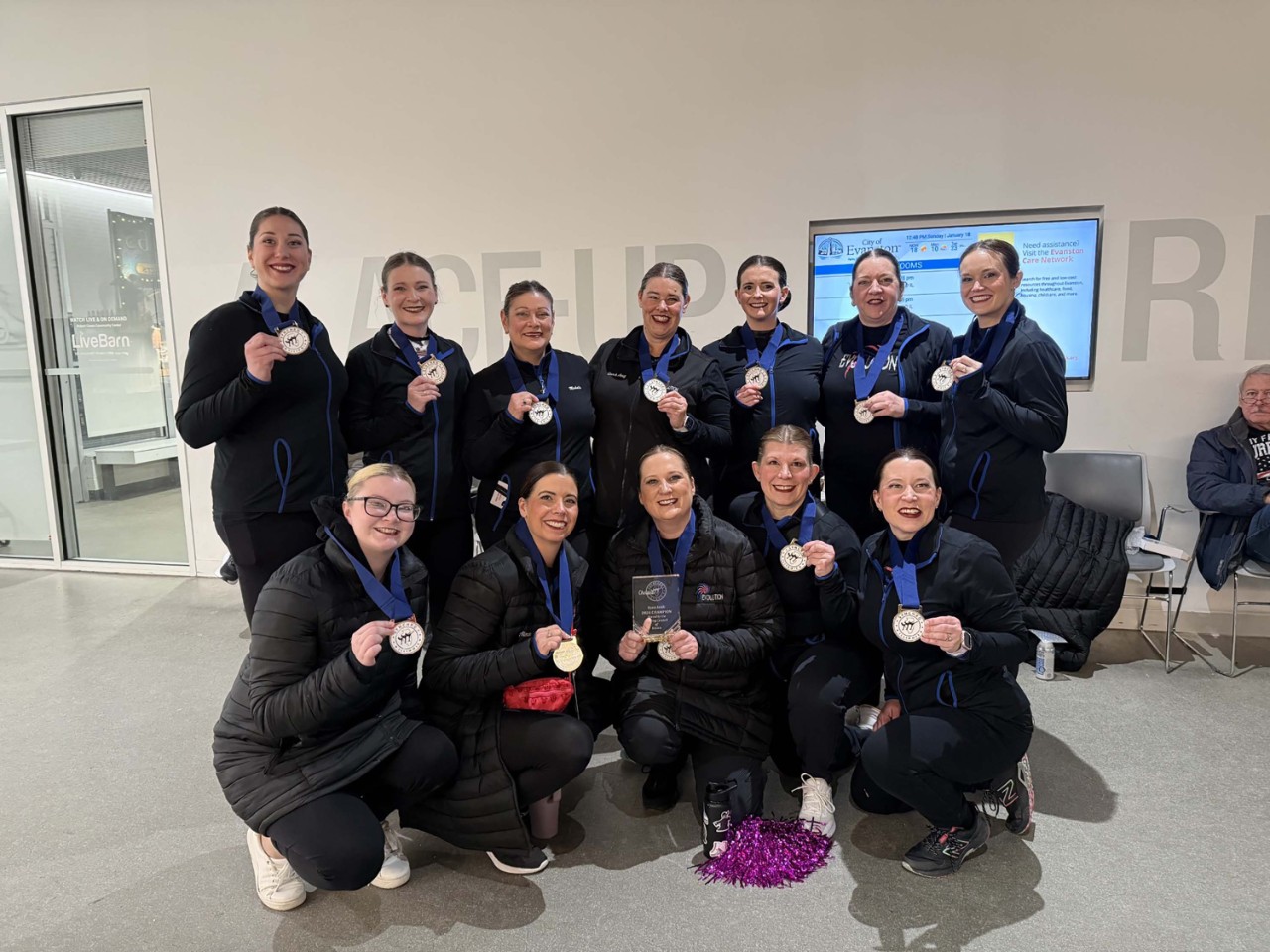
Some of her proudest moments include qualifying for national competitions, but her most meaningful memories are rooted in connection – like choreography weekends where teammates stayed together, bonded, and built the foundation for the season.
That sense of community extends beyond the rink. Her teammates include professionals from across the automotive industry, education, and beyond.
“We get to just be athletes – laughing on a bus to Chicago, doing ’90s trivia,” she said. “It reminds you how important it is to put yourself out there.”
Zenk encourages fellow GM employees to do the same.
“There needs to be balance,” she said. “If you don’t make time for yourself, nobody else will do it for you. Finding something outside of work leads to a more fulfilling career — and life.”
On the ice or on the plant floor, Zenk knows that strong teams, steady focus, and continuous improvement make all the difference.
On the Factory ZERO shop floor, Chelsea Zenk is known as a focused, steady people leader in General Assembly. On Sunday nights, however, you’ll find her lacing up skates, stepping onto the ice, and trading production scores for performance scores as a competitive figure skater.
Skating has been part of Zenk’s life since she was four years old. Growing up in Southeast Michigan, she skated through high school, following in the footsteps of her cousin and forming friendships that still matter today. Like many athletes, college, career, and life eventually pulled her away from competition. But about 16 years ago, an unexpected Facebook message changed everything.
“A group was looking to put together an adult synchronized skating team,” Zenk said. “Some women I skated with when I was younger were excited about it, and I remember thinking, ‘I need this in my life.’”
At the time, Zenk was working as a Group Leader at Detroit-Hamtramck Assembly. She joined the team, competed that first season, and hasn’t stopped since. For the past 16 years, her team has taken the ice every season – sometimes at higher competitive levels, sometimes dialing it back as life demands – but always together. One of her current teammates is a close friend she skated with as a teenager, when they served as captain and co-captain on the same youth team.
Today, Zenk competes in adult synchronized skating under the U.S. Figure Skating Association umbrella, the same governing body that supports Olympic-level athletes. Her Evolution Synchronized Skating Team practices weekly out of the Taylor Sportsplex and competes in four to five events each season, traveling throughout Michigan and the Midwest, with past trips ranging from North Dakota to Oregon and Rhode Island.
“Our season starts at the end of summer and runs through late February or early March,” she explained. “Once the program is set, every practice is about improving – either increasing difficulty or improving quality. We’re always skating against our last score and trying to be better.”
Balancing competition with a demanding leadership role takes planning. Practices fall on Sunday nights, when there’s no production at the plant, and competition travel is carefully scheduled around work responsibilities. For Zenk, the balance is intentional — and essential.
“It’s important to have something that’s mine,” she said. “When I step on the ice, I don’t have to be the person in charge anymore. It recharges me so I can come back to the plant ready for the next challenge.”
The parallels between synchronized skating and manufacturing aren’t lost on her. Both demand precision, accountability, and teamwork.
“Everyone has to be on the same step at the same time,” Zenk said. “In skating and in manufacturing, it’s a team sport. You evaluate your performance, figure out what needs to improve, and attack the next day with focus.”
Some of her proudest moments include qualifying for national competitions, but her most meaningful memories are rooted in connection – like choreography weekends where teammates stayed together, bonded, and built the foundation for the season.
That sense of community extends beyond the rink. Her teammates include professionals from across the automotive industry, education, and beyond.
“We get to just be athletes – laughing on a bus to Chicago, doing ’90s trivia,” she said. “It reminds you how important it is to put yourself out there.”
Zenk encourages fellow GM employees to do the same.
“There needs to be balance,” she said. “If you don’t make time for yourself, nobody else will do it for you. Finding something outside of work leads to a more fulfilling career — and life.”
On the ice or on the plant floor, Zenk knows that strong teams, steady focus, and continuous improvement make all the difference.