
by Laryssa Hulcio and Stephen Harber, GM Talent Marketing
by Laryssa Hulcio and Stephen Harber, GM Talent Marketing
The first time Stanley Fok rented a Chevrolet Suburban for a ski trip, he never imagined it would one day run software built under his leadership. Years later, when he saw that vehicle equipped with his team’s work, it reframed his career. He wasn’t just building features; he was shaping how people feel inside a vehicle.
For Stanley, that experience starts long before a driver ever presses Start.
When GM adopted Android™ as the foundation for its next-generation infotainment systems, Stanley saw the future taking shape. The cabin was no longer static hardware, but a software platform built to evolve.
Stanley’s background in mobile development, video algorithms, and hardware design gives him a clear advantage. The skills he gained in fast-cycle consumer tech now support building systems that scale safely and reliably to millions of vehicles.
Today, Stanley leads Infotainment Software at GM’s Canadian Technical Centre (CTC) in Markham, Ontario. He manages Canadian engineers and collaborates with global teams that deliver scalable, high-quality software across GM’s full vehicle portfolio.
His cross-disciplinary career shapes how GM engineers infotainment systems that scale reliably for millions of drivers. Automation makes that possible, protecting quality and speed while freeing engineers to focus on the work that matters most.
But scale is only part of the story. The impact is personal. It’s there in the Chevrolet Suburban Stanley once rented, now running software built by his team, embedded quietly in the moments people rely on every day.
At GM, that’s the point. Infotainment isn’t just about screens or features. It’s the bridge between people and their vehicles — and one of the clearest expressions of GM’s software-first future.
See how Stanley came to GM, how he leads global teams, and how automation is shaping the next era of vehicle software.
What drew you to the opportunity to lead infotainment at GM?
“I’ve always been drawn to smart, useful features…things that make your life easier or add a ‘wow’ factor without being gimmicky. That’s what drives me: building technology I’d want to use myself.”
What stood out to you when you saw GM building its infotainment platform on Android?
“At the time, vehicle infotainment was still evolving. People mostly thought of it as just a radio or navigation system. But I saw an opportunity to bring a richer, more modern user experience into vehicles — one that aligned with what people had come to expect from their smartphones.”
Compared to the previous tech companies you’ve worked for, what makes GM different?
“It’s definitely the biggest company I’ve ever worked for, which brings a lot of complexity, and a lot of opportunity. At GM, you’re not siloed into one specific domain.
Even though I focus on software, I’ve been exposed to powertrains, EV systems, safety features, and more. The cross-functional collaboration here is unmatched. It’s also inspiring to work on products that are highly tangible.”
You’ve spent more than six years at GM. Why are you excited to come to work every day?
“The people and the products. My team at CTC is phenomenal. There’s a strong culture of mutual respect, support, and shared ownership. Everyone is focused on delivering the best possible product, and we help each other get there.
From a product standpoint, the technology we’re developing keeps evolving. With every new vehicle program, there’s something new to learn and new challenges to solve. That keeps things fresh and exciting.”
How has your background in video and mobile engineering influenced the way GM approaches infotainment today?
“My earlier work involved optimizing video and image processing algorithms – things that required precision, efficiency, and constant iteration. That mindset translates well to automotive software.
We’re always looking for ways to streamline development, improve quality, and shorten the time it takes to deliver a polished experience. Our current infotainment systems are built to support a wide range of features across many vehicles, so the ability to scale and adapt quickly is essential.”
What’s your philosophy on managing global teams across different regions and cultures?
“One of the biggest lessons I’ve learned is that leadership isn’t one-size-fits-all. Every team is different, especially when you’re working across global regions. What motivates a team in one location might not resonate with another.
At GM, I work with colleagues across North America, South America, Asia, and Europe. You have to understand and adapt to each team’s culture and communication style. Flexibility and empathy are key.”
What does it take to make infotainment software work seamlessly across GM’s global vehicle portfolio?
“The software has to work across a wide range of vehicle models, hardware variants, and market requirements. We can’t rely on manual testing alone due to the sheer size of volume. That would be impossible.
So we’ve leaned into automation. This way we can help ensure consistent performance and reliability across such a broad portfolio. From my experience, human and machine collaboration frees up more time for meaningful strategic work.”
How will the future of infotainment at GM shape the driver experience?
“We are constantly evolving our technologies, expanding our connected services and personalized features. We aim to anticipate what the driver needs and deliver these features in a seamless way that's not distracting, making the vehicle better over time.
The key difference between mobile and automotive is that vehicles are safety-critical environments. So the goal is to innovate boldly with safety built-in from the start.
That’s what makes this space both demanding and exciting, but extremely rewarding.”
Learn more about careers at GM by visiting Careers.GM.com.
Editor’s note: Android™ is a trademark of Google LLC.
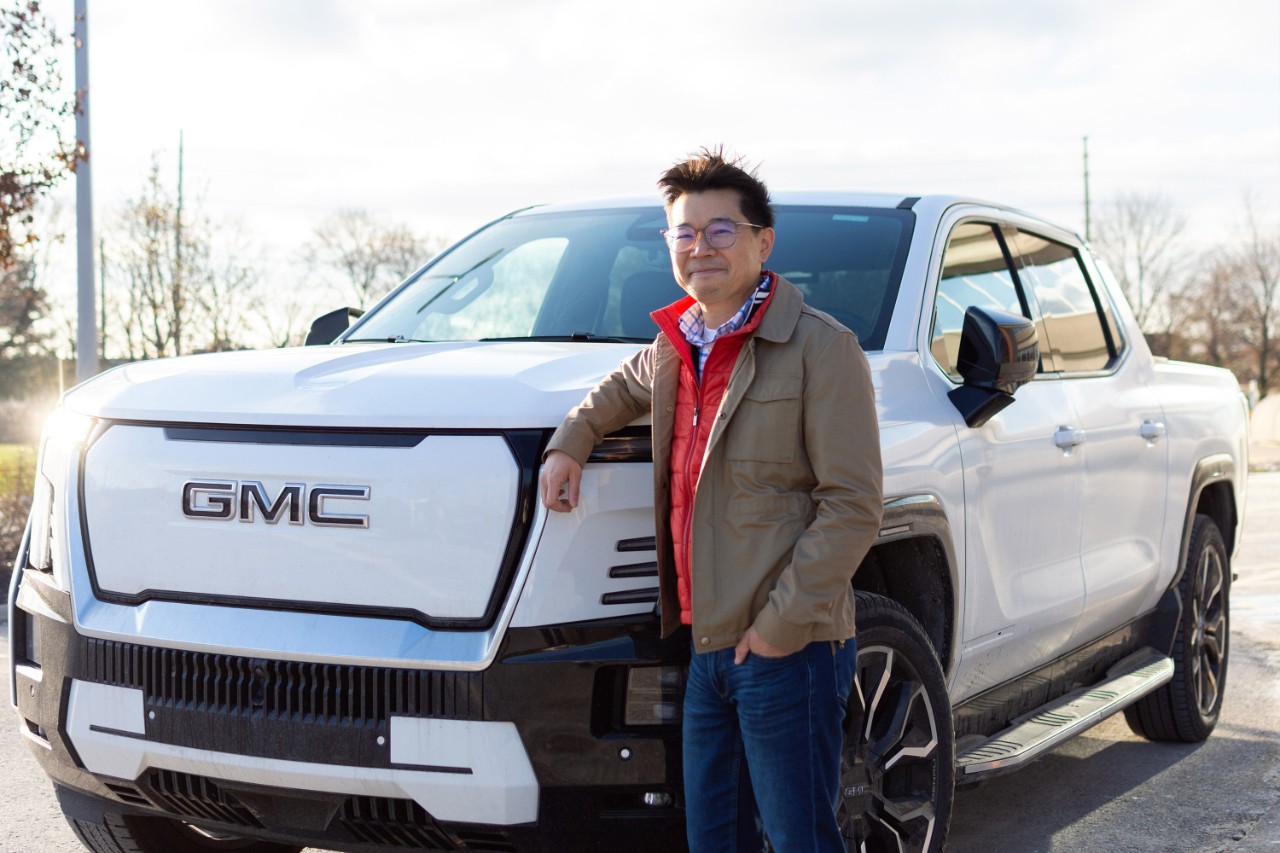
The first time Stanley Fok rented a Chevrolet Suburban for a ski trip, he never imagined it would one day run software built under his leadership. Years later, when he saw that vehicle equipped with his team’s work, it reframed his career. He wasn’t just building features; he was shaping how people feel inside a vehicle.
For Stanley, that experience starts long before a driver ever presses Start.
When GM adopted Android™ as the foundation for its next-generation infotainment systems, Stanley saw the future taking shape. The cabin was no longer static hardware, but a software platform built to evolve.
Stanley’s background in mobile development, video algorithms, and hardware design gives him a clear advantage. The skills he gained in fast-cycle consumer tech now support building systems that scale safely and reliably to millions of vehicles.
Today, Stanley manages Infotainment Software at GM’s Canadian Technical Centre (CTC) in Markham, Ontario. He manages Canadian engineers and collaborates with global teams that deliver scalable, high-quality software across GM’s full vehicle portfolio.
His cross-disciplinary career shapes how GM engineers infotainment systems that scale reliably for millions of drivers. Automation makes that possible, protecting quality and speed while freeing engineers to focus on the work that matters most.
But scale is only part of the story. The impact is personal. It’s there in the Chevrolet Suburban Stanley once rented, now running software built by his team, embedded quietly in the moments people rely on every day.
At GM, that’s the point. Infotainment isn’t just about screens or features. It’s the bridge between people and their vehicles — and one of the clearest expressions of GM’s software-first future.
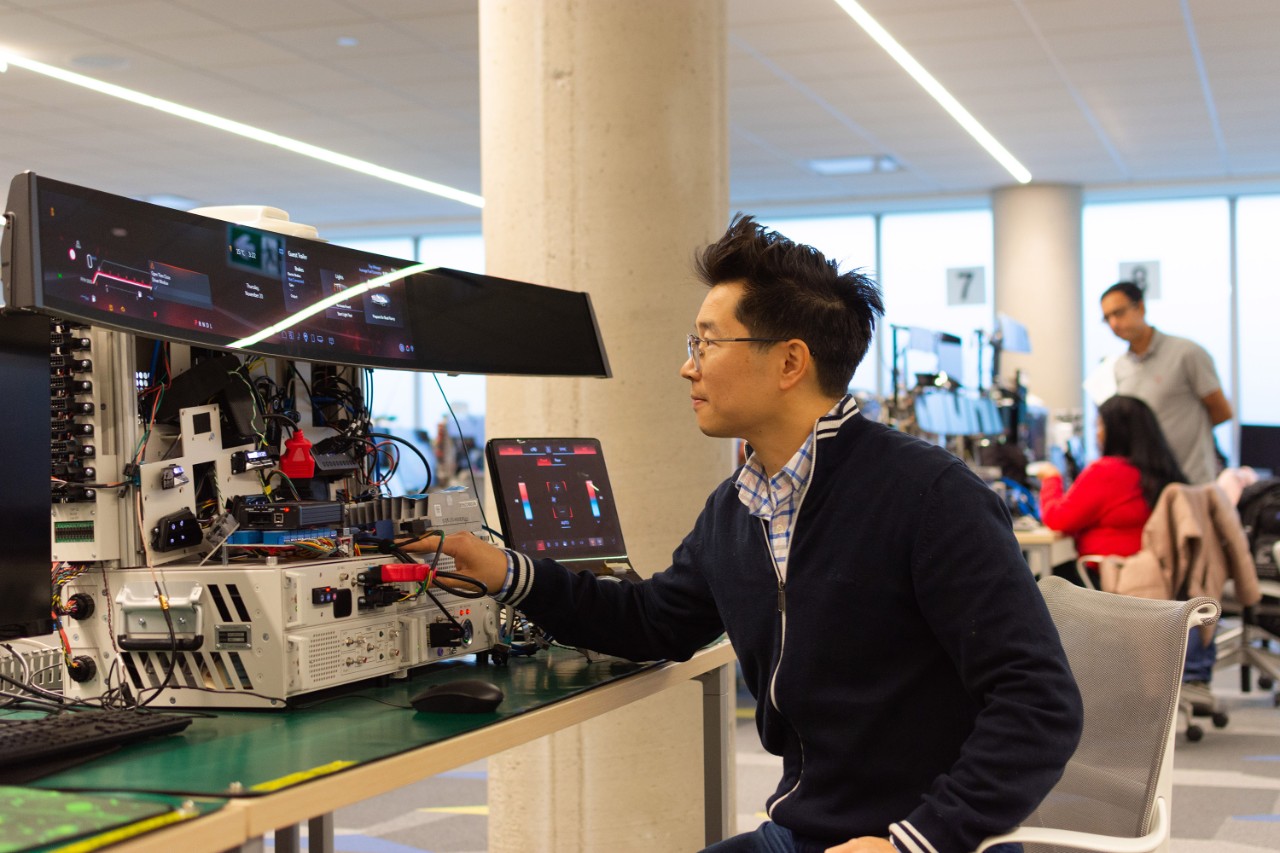
See how Stanley came to GM, how he collaborates with global teams, and how automation is shaping the next era of vehicle software.
What drew you to the opportunity to help lead infotainment at GM?
“I’ve always been drawn to smart, useful features…things that make your life easier or add a ‘wow’ factor without being gimmicky. That’s what drives me: building technology I’d want to use myself.”
What stood out to you when you saw GM building its infotainment platform on Android?
“At the time, vehicle infotainment was still evolving. People mostly thought of it as just a radio or navigation system. But I saw an opportunity to bring a richer, more modern user experience into vehicles — one that aligned with what people had come to expect from their smartphones.”
Compared to the previous tech companies you’ve worked for, what makes GM different?
“It’s definitely the biggest company I’ve ever worked for, which brings a lot of complexity, and a lot of opportunity. At GM, you’re not siloed into one specific domain.
Even though I focus on software, I’ve been exposed to powertrains, EV systems, safety features, and more. The cross-functional collaboration here is unmatched. It’s also inspiring to work on products that are highly tangible.”
You’ve spent more than six years at GM. Why are you excited to come to work every day?
“The people and the products. My team at CTC is phenomenal. There’s a strong culture of mutual respect, support, and shared ownership. Everyone is focused on delivering the best possible product, and we help each other get there.
From a product standpoint, the technology we’re developing keeps evolving. With every new vehicle program, there’s something new to learn and new challenges to solve. That keeps things fresh and exciting.”
How has your background in video and mobile engineering influenced the way GM approaches infotainment today?
“My earlier work involved optimizing video and image processing algorithms – things that required precision, efficiency, and constant iteration. That mindset translates well to automotive software.
We’re always looking for ways to streamline development, improve quality, and shorten the time it takes to deliver a polished experience. Our current infotainment systems are built to support a wide range of features across many vehicles, so the ability to scale and adapt quickly is essential.”
What’s your philosophy on managing global teams across different regions and cultures?
“One of the biggest lessons I’ve learned is that leadership isn’t one-size-fits-all. Every team is different, especially when you’re working across global regions. What motivates a team in one location might not resonate with another.
At GM, I work with colleagues across North America, South America, Asia, and Europe. You have to understand and adapt to each team’s culture and communication style. Flexibility and empathy are key.”
What does it take to make infotainment software work seamlessly across GM’s global vehicle portfolio?
“The software has to work across a wide range of vehicle models, hardware variants, and market requirements. We can’t rely on manual testing alone due to the sheer size of volume. That would be impossible.
So we’ve leaned into automation. This way we can help ensure consistent performance and reliability across such a broad portfolio. From my experience, human and machine collaboration frees up more time for meaningful strategic work.”
How will the future of infotainment at GM shape the driver experience?
“We are constantly evolving our technologies, expanding our connected services and personalized features. We aim to anticipate what the driver needs and deliver these features in a seamless way that's not distracting, making the vehicle better over time.
The key difference between mobile and automotive is that vehicles are safety-critical environments. So the goal is to innovate boldly with safety built-in from the start.
That’s what makes this space both demanding and exciting, but extremely rewarding.”
Learn more about careers at GM by visiting Careers.GM.com.
Editor’s note: Android™ is a trademark of Google LLC.