
By: Chris Perkins
By: Chris Perkins
David Piper has been there.
He started working on cars as a kid, trained as a truck mechanic, worked at automotive dealerships, and eventually joined GM as a field-service engineer. Now, he helps design the curriculum that every GM dealer technician goes through.
“Part of the reason I took the position I have now is because I know where they’ve been,” Piper says. “Understanding that helps me guide the training content to where it needs to be.”
Piper is a graduate of GM’s Automotive Service Education Program (ASEP), and now he helps define that program.
ASEP is a two-year associate’s degree program that mixes classroom learning with on-the-job training via paid internships at dealers, plus general, non-automotive curriculum. At any given time, there are 1,500 students in the program spread out across 53 GM- and dealer-supported schools across the country.
But the fun doesn’t end there. The Technician Excellence program provides an opportunity for all technicians, including ASEP graduates, to learn new skills — important in an ever-changing automotive landscape — and earn points they can use towards purchasing tools and other financial rewards. So far, over 20,000 technicians have enrolled in the program.
For Piper, designing the curriculum isn’t just about understanding the evolving subject matter – it’s about trying to meet all the students where they are.
“One of the bigger pivots we’ve made is to accommodate new learning styles,” he says. “My 20-year-old self learned differently than today’s 20-year-olds do. There’s nothing wrong either way, it’s just different.”
Piper sees a big part of his job as keeping the trainees engaged. “If you’re not engaged, you’re not going to care. In an online course, you’re just going to sit there and wait until it’s done, but what did you learn?”
He also has to account for a broad set of experience levels and backgrounds among students, but that’s part of the fun. “You're sitting in a classroom and seeing 10 different people that all think differently about something when they come in,” Piper says, “but when they walk out of that classroom, they're all on the same page. That’s kind of cool.”
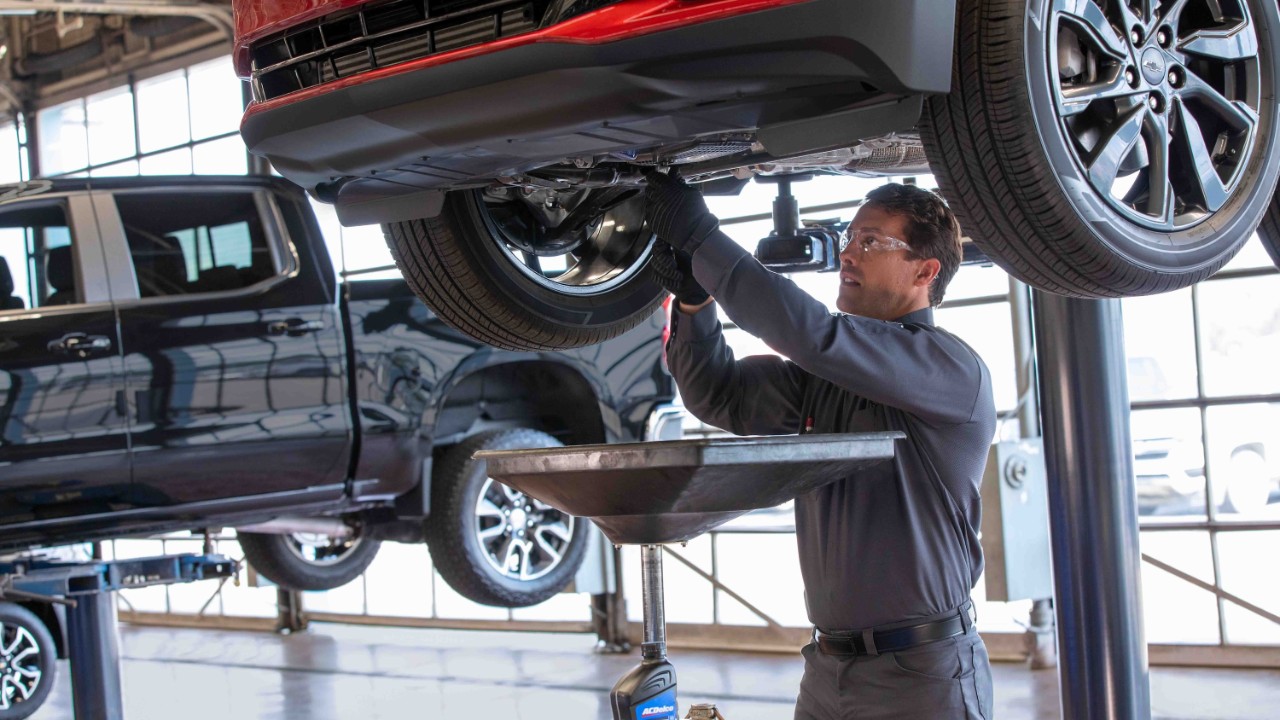
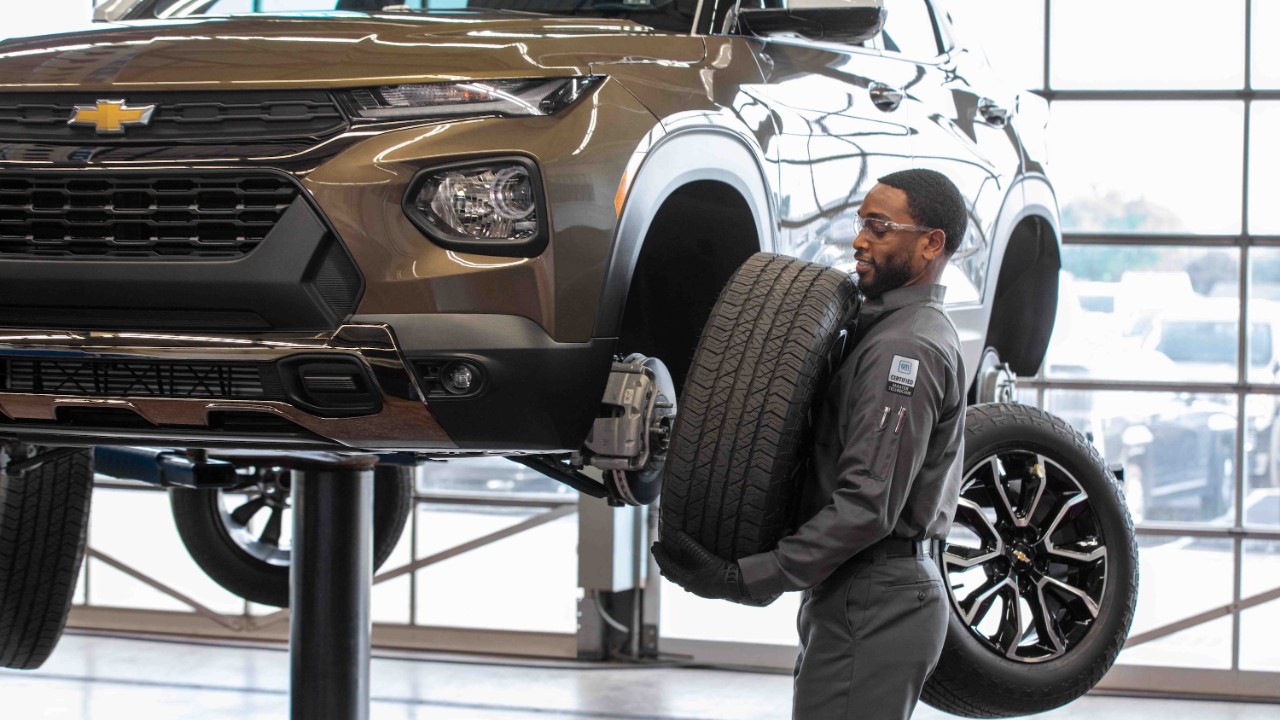
Being an automotive technician is a bit like being a doctor. You need hands on time and expertise to accurately diagnose and fix a problem. “Someone needs to physically touch the car, turn the wrench, take it apart, put it back together,” Piper says.
It’s also a field that offers so much opportunity. "You're learning thermodynamics, you're learning heating and air conditioning, you're learning plumbing, you're learning fuel systems, you’re learning so much,” Piper says. “There are skills you learn as a technician that you can apply to just about anything.”
That opportunity extends beyond the car itself. You start out on the shop floor as an apprentice, you work your way up to becoming a technician, but from there you can become a service manager, a service advisor, or something else entirely.
In a lot of ways, Piper is a perfect example of this. After completing the ASEP program, he worked for a dealership for a number of years before joining GM as a field-service engineer, essentially, a highly skilled technician that travels from dealer to dealer within a specific region.
While working as a field-service engineer, he got his bachelor’s degree, then took on his current role training the next generation of automotive technicians. It’s a big job.
“I feel responsible for all 30,000 GM technicians in the country. They're taking the training that I had a hand in developing, and watching them grow to world-class status, that’s the greatest part of this job.”
Click here to learn more about the GM Automotive Service Education Program.
David Piper has been there.
He started working on cars as a kid, trained as a truck mechanic, worked at automotive dealerships, and eventually joined GM as a field-service engineer. Now, he helps design the curriculum that every GM dealer technician goes through.
“Part of the reason I took the position I have now is because I know where they’ve been,” Piper says. “Understanding that helps me guide the training content to where it needs to be.”
Piper is a graduate of GM’s Automotive Service Education Program (ASEP), and now he helps define that program.
ASEP is a two-year associate’s degree program that mixes classroom learning with on-the-job training via paid internships at dealers, plus general, non-automotive curriculum. At any given time, there are 1,500 students in the program spread out across 53 GM- and dealer-supported schools across the country.
But the fun doesn’t end there. The Technician Excellence program provides an opportunity for all technicians, including ASEP graduates, to learn new skills — important in an ever-changing automotive landscape — and earn points they can use towards purchasing tools and other financial rewards. So far, over 20,000 technicians have enrolled in the program.
For Piper, designing the curriculum isn’t just about understanding the evolving subject matter – it’s about trying to meet all the students where they are.
“One of the bigger pivots we’ve made is to accommodate new learning styles,” he says. “My 20-year-old self learned differently than today’s 20-year-olds do. There’s nothing wrong either way, it’s just different.”
Piper sees a big part of his job as keeping the trainees engaged. “If you’re not engaged, you’re not going to care. In an online course, you’re just going to sit there and wait until it’s done, but what did you learn?”
He also has to account for a broad set of experience levels and backgrounds among students, but that’s part of the fun. “You're sitting in a classroom and seeing 10 different people that all think differently about something when they come in,” Piper says, “but when they walk out of that classroom, they're all on the same page. That’s kind of cool.”
Being an automotive technician is a bit like being a doctor. You need hands on time and expertise to accurately diagnose and fix a problem. “Someone needs to physically touch the car, turn the wrench, take it apart, put it back together,” Piper says.
It’s also a field that offers so much opportunity. "You're learning thermodynamics, you're learning heating and air conditioning, you're learning plumbing, you're learning fuel systems, you’re learning so much,” Piper says. “There are skills you learn as a technician that you can apply to just about anything.”
That opportunity extends beyond the car itself. You start out on the shop floor as an apprentice, you work your way up to becoming a technician, but from there you can become a service manager, a service advisor, or something else entirely.
In a lot of ways, Piper is a perfect example of this. After completing the ASEP program, he worked for a dealership for a number of years before joining GM as a field-service engineer, essentially, a highly skilled technician that travels from dealer to dealer within a specific region.
While working as a field-service engineer, he got his bachelor’s degree, then took on his current role training the next generation of automotive technicians. It’s a big job.
“I feel responsible for all 30,000 GM technicians in the country. They're taking the training that I had a hand in developing, and watching them grow to world-class status, that’s the greatest part of this job.”
Click here to learn more about the GM Automotive Service Education Program.