GM’s Driver Aid, Information, and Routing System was the OnStar of the 1960s
2026-09-28
This year, OnStar celebrates its 30th anniversary. As the first automotive telematics system available to the public – released when not even a quarter of Americans were regularly online – OnStar was a remarkable piece of technology for its time and has continued to evolve with technology unlocks like WiFi, smartphone apps and more. What’s equally remarkable is that GM created a sort of prototype for OnStar 30 years earlier.
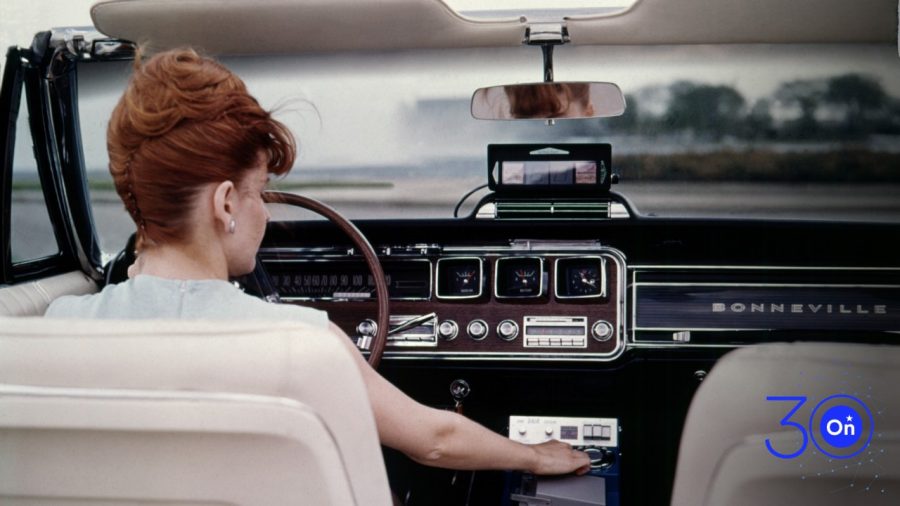
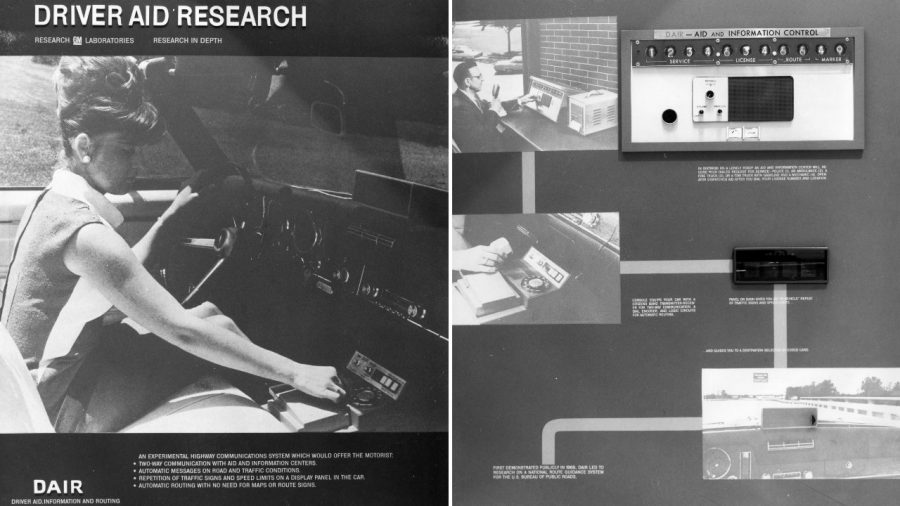
In 1966, General Motors Research Laboratories announced the Driver Aid, Information, and Routing System, or DAIR The idea was to create a system that could provide motorists with information on road and traffic conditions, navigation, and radio communication. It was decades ahead of its time.
While remarkably forward thinking, DAIR was built upon basic technology, even for its day.
Citizens Band (CB) radio enabled both automated and real-time messaging between the vehicle and the communications center.
Magnets and low-power transmitters embedded into infrastructure could send data and radio signals to the DAIR console to display traffic signs and speed limits, and to warn the driver about road conditions.
Coded punch cards inserted into the console would flash direction indicators to route the driver to their desired destination.
Simple technology used for extraordinary ends.
Like OnStar, the aim of DAIR was to offer drivers both convenience and safety. If a driver ran out of gas on the highway, for example, they could send their information to a communications center via a rotary dial on the DAIR unit and request assistance. When the staffer at the communications center received the request, they could “call” the car and confirm that help was on the way. Roadside magnets and transmitters could send automated warning messages to the car, warning them of emergency situations or hazardous conditions ahead.
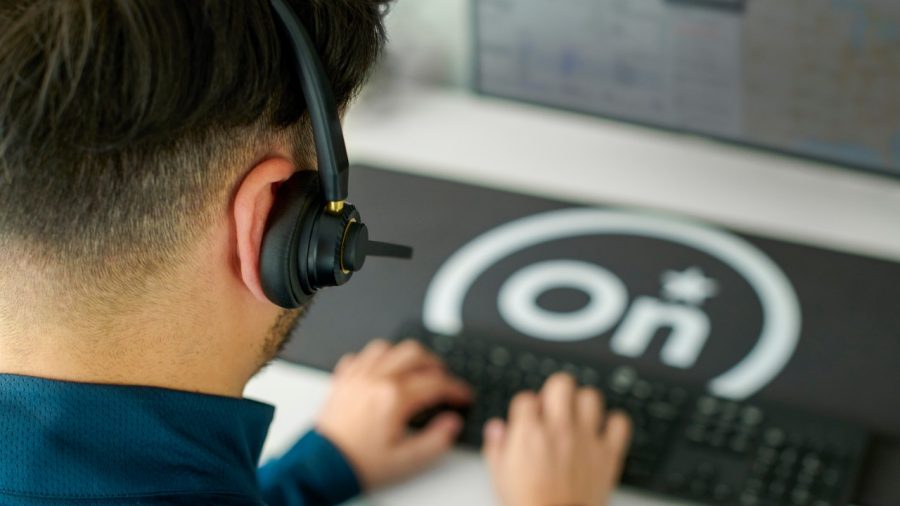
While OnStar grew to include convenience features like navigation, remote diagnostics, over-the-air updates, and a mobile app, it is first and foremost a safety system. The original 1996 iteration of the system would contact a live OnStar Advisor in the event of a vehicle’s airbag deployment and notify first responders.
DAIR wasn’t just science fiction, either. Although DAIR was never put into production, GM engineers built a small section of highway with all the necessary infrastructure at the company’s Global Technical Center in Warren, Michigan and fit two 1966 cars with the system.
About a year after DAIR’s first demonstration, the U.S. federal government granted GM a contract to further develop a navigation system for the Bureau of Public Roads (today, the Federal Highway Administration). This birthed the Experimental Route Guidance System (ERGS), a creation of General Motors research and its Delco radio division.
Instead of using punch cards, the driver would type in a five-letter code word that corresponded to their destination and receive visual cues to navigate them to their destination from the ERGS unit on the dashboard. The unit received information from transmitters and antennas buried in intersections in the road. When the car passed over an antenna, the ERGS receiver would pick up the signal, interpret it, and flash up necessary instructions to the driver.
The technologies that enabled DAIR and ERGS were not exotic, even in the mid 1960s, but one imagines deploying these systems at scale would’ve been a massive challenge. Put another way, a lot of magnets, a lot of transmitters, and a lot of communications centers throughout the country would be needed to make it work.
In the years after General Motors Research were developing DAIR and ERGS, the technologies that would eventually allow OnStar to become a reality emerged and matured. A Motorola engineer made the first cell phone call in 1973, and throughout the 1980s the first cellular networks started popping up around the globe. NASA launched the first satellite in what eventually became GPS in 1978.
Cellular networks allowed the OnStar telematics unit installed in a vehicle to connect with a live OnStar Advisor, and GPS satellites would tell that Advisor where exactly the vehicle was located. In 2017, those same GPS satellites would help enable Super Cruise1, GM’s revolutionary hands-free driver assistance system.
DAIR and ERGS were way ahead of their time, but the engineers behind them absolutely had the right idea. A 1966 paper on DAIR concludes with this sentiment:
“DAIR combines highway safety aids developed over the past 9 years at GM Research and offers a closer integration of driver, automobile, and highway. It enables the driver to focus more attention where it belongs: On the road ahead.”
Enabled by different technologies and more capable than the engineers in the 1960s could’ve dreamed of, the purpose of OnStar is very much the same.
1. Always pay attention while driving and when using Super Cruise. Always use Super Cruise in accordance with local laws. Do not use a hand-held device. Requires active Super Cruise plan or trial. Terms apply. Visit OnStar.com for compatible roads and full details.
This year, OnStar celebrates its 30th anniversary. As the first automotive telematics system available to the public – released when not even a quarter of Americans were regularly online – OnStar was a remarkable piece of technology for its time and has continued to evolve with technology unlocks like WiFi, smartphone apps and more. What’s equally remarkable is that GM created a sort of prototype for OnStar 30 years earlier.
In 1966, General Motors Research Laboratories announced the Driver Aid, Information, and Routing System, or DAIR. The idea was to create a system that could provide motorists with information on road and traffic conditions, navigation, and radio communication. It was decades ahead of its time.
While remarkably forward thinking, DAIR was built upon basic technology, even for its day.
- Citizens Band (CB) radio enabled both automated and real-time messaging between the vehicle and the communications center.
- Magnets and low-power transmitters embedded into infrastructure could send data and radio signals to the DAIR console to display traffic signs and speed limits, and to warn the driver about road conditions.
- Coded punch cards inserted into the console would flash direction indicators to route the driver to their desired destination.
Simple technology used for extraordinary ends.
Like OnStar, the aim of DAIR was to offer drivers both convenience and safety. If a driver ran out of gas on the highway, for example, they could send their information to a communications center via a rotary dial on the DAIR unit and request assistance. When the staffer at the communications center received the request, they could “call” the car and confirm that help was on the way. Roadside magnets and transmitters could send automated warning messages to the car, warning them of emergency situations or hazardous conditions ahead.
While OnStar grew to include convenience features like navigation, remote diagnostics, over-the-air updates, and a mobile app, it is first and foremost a safety system. The original 1996 iteration of the system would contact a live OnStar Advisor in the event of a vehicle’s airbag deployment and notify first responders.
DAIR wasn’t just science fiction, either. Although DAIR was never put into production, GM engineers built a small section of highway with all the necessary infrastructure at the company’s Global Technical Center in Warren, Michigan and fit two 1966 cars with the system.
About a year after DAIR’s first demonstration, the U.S. federal government granted GM a contract to further develop a navigation system for the Bureau of Public Roads (today, the Federal Highway Administration). This birthed the Experimental Route Guidance System (ERGS), a creation of General Motors research and its Delco radio division.
Instead of using punch cards, the driver would type in a five-letter code word that corresponded to their destination and receive visual cues to navigate them to their destination from the ERGS unit on the dashboard. The unit received information from transmitters and antennas buried in intersections in the road. When the car passed over an antenna, the ERGS receiver would pick up the signal, interpret it, and flash up necessary instructions to the driver.
The technologies that enabled DAIR and ERGS were not exotic, even in the mid 1960s, but one imagines deploying these systems at scale would’ve been a massive challenge. Put another way, a lot of magnets, a lot of transmitters, and a lot of communications centers throughout the country would be needed to make it work.
In the years after General Motors Research were developing DAIR and ERGS, the technologies that would eventually allow OnStar to become a reality emerged and matured. A Motorola engineer made the first cell phone call in 1973, and throughout the 1980s the first cellular networks started popping up around the globe. NASA launched the first satellite in what eventually became GPS in 1978.
Cellular networks allowed the OnStar telematics unit installed in a vehicle to connect with a live OnStar Advisor, and GPS satellites would tell that Advisor where exactly the vehicle was located. In 2017, those same GPS satellites would help enable Super Cruise1, GM’s revolutionary hands-free driver assistance system.
DAIR and ERGS were way ahead of their time, but the engineers behind them absolutely had the right idea. A 1966 paper on DAIR concludes with this sentiment:
“DAIR combines highway safety aids developed over the past 9 years at GM Research and offers a closer integration of driver, automobile, and highway. It enables the driver to focus more attention where it belongs: On the road ahead.”
Enabled by different technologies and more capable than the engineers in the 1960s could’ve dreamed of, the purpose of OnStar is very much the same.
1Always pay attention while driving and when using Super Cruise. Always use Super Cruise in accordance with local laws. Do not use a hand-held device. Requires active Super Cruise plan or trial. Terms apply. Visit OnStar.com for compatible roads and full details.