
By: Chris Perkins, Senior Writer and Editor, GM News
By: Chris Perkins, Senior Writer and Editor, GM News
What’s the most important part of a flashlight? The easy answer is the light bulb. Understandable since a flashlight without a light isn’t really a flashlight, right?
But what about the battery? Without an energy source for the light, your flashlight won’t do you much good in the dark. Or what about the switch? Maybe you didn’t think about that, but without a switch to turn the light on and off, your flashlight is only as good as long as your battery has juice.
“The switch is what makes the flashlight useful,” says Mark Voss, Assistant Chief Engineer of Power Electronics at GM. His job is to help define the “switch” for an electric vehicle, the power electronics.
In an EV, the battery pack is analogous to the AAs you put in your flashlight, only bigger, while the motors are like the light bulb. The power electronics are like the switch, but instead of being a simple on-off device, they mete out exactly the right amount of power in all scenarios. They’re more like a dimmer knob, letting you adjust precisely the amount of light you want.
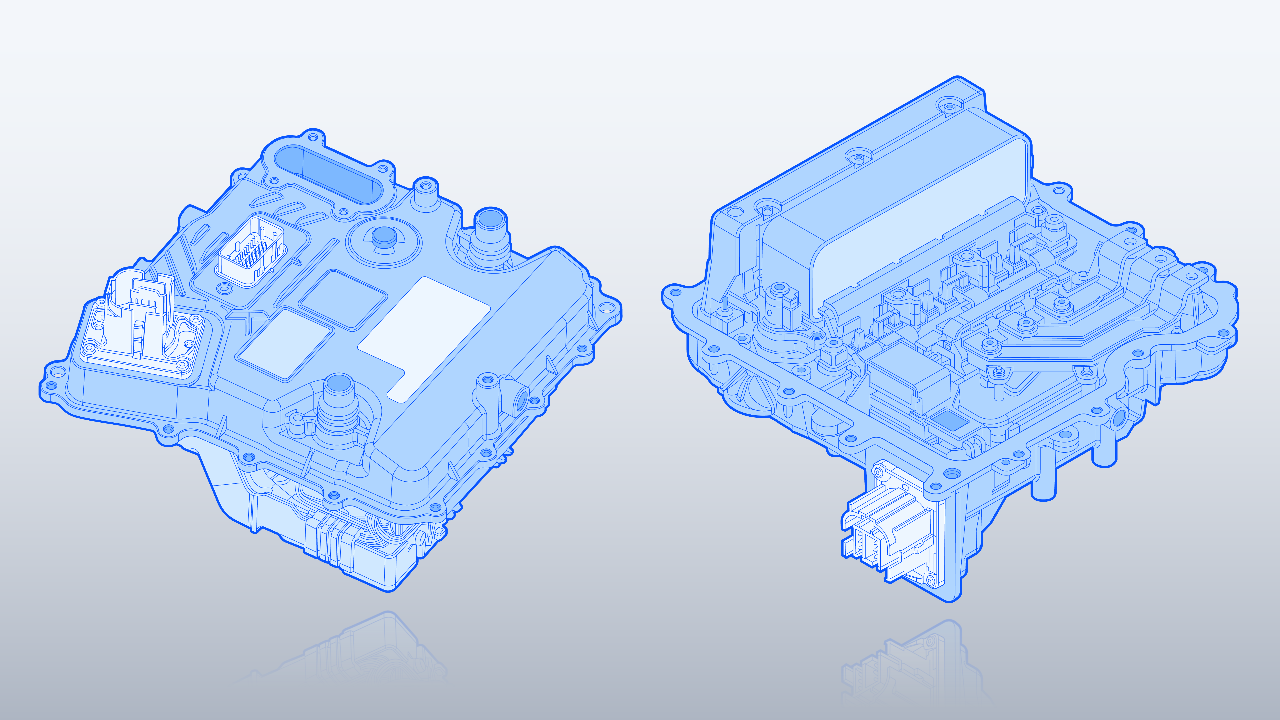
The power electronics in a GM EV consist of a number of different components to control the flow of electricity. Typically, many or all of these are housed within a single unit, the Integrated Power Electronics (IPE) unit. The IPE is often integrated into an EV drive unit, which also houses the motor and gearset that spins the wheels.
Inverter: This is what converts the direct-current (DC) electricity from the battery into three-phase alternating-current (AC) electricity that spins the motor. The inverter also converts the AC electricity of regenerative braking – when the motor slows down – into DC electricity to go back into the battery.
On-Board Charging Module: Converts AC electricity from your home or a public AC charger into DC energy for the battery.
Accessory Power Module: While an EV has a high-voltage battery to drive the wheels, it also uses a traditional 12-volt battery to power certain features, like power windows, lights and infotainment system. This module converts the high-voltage DC electricity to low-voltage DC to charge the small battery and run some electronic systems.
Battery Disconnect Unit: This is what isolates the large, high-voltage battery from the rest of the car. In the case of a crash, for example, the Battery Disconnect Unit is designed to automatically and immediately switches off the connection between the battery and the drive unit for safety.
The inverter is one of the most critical components in an EV. Its job is to convert DC power from the battery into AC power for the motor so that the motor can produce torque, a rotational force, based on driver inputs – i.e. pressing the accelerator pedal. Our power inverters are really what help make the motors spin,” says Bethany Combs, Power Electronics Design System Engineer at GM.
Understanding how inverters work is no simple task. At GM, there are engineers who have dedicated their professional lives to the subject. In simple terms, an inverter has six switches that cycle on and off in different combinations to create a rotating electromagnetic field in the motor that drives the wheels. These switches open and close thousands of times a second, far quicker than you can switch on and off your flashlight.
The inverter plays a huge role in defining the character of a vehicle and how it responds to the driver’s inputs, while also contributing to overall system performance and safety. Part of its job is to ensure that the motor outputs the appropriate amount of torque based on driving needs.
GM recently introduced new Silicon Carbide (SiC) switches for the inverters of some of its EVs, which enables an efficiency upgrade compared to traditional silicon. Like battery chemistries, there are tradeoffs with drive unit and power electronics materials – silicon carbide costs more than silicon but conducts electricity more quickly. By using it in select inverters, GM aims to minimizes energy loss that naturally occurs in the conversion process, while optimizing vehicle efficiency, helping to ensure more of the battery’s energy goes directly to the motors for more range.
“We want to give consumers the biggest bang for their buck,” adds Voss. So, GM uses SiC in select EVs, prioritizing where the demand on the motors is highest. Silicon carbide, along with additional drive unit upgrades, contributed to a 20-mile range gain in the Sierra EV for the 2025 model year. “We strive to keep customers at the center of our decisions.”
All the other components in the IPE unit are there to help safely manage the flow of power into the battery and to sustain accessory loads.
Like the switch in a flashlight, the IPE unit is the unsung hero of the EV. It’s easy to focus on motors and batteries, but they’re only made useful with power electronics. It’s why people like Voss, Combs, and so many more work so hard on optimizing these components. Their efforts directly translate to vehicle performance and efficiency.
What’s the most important part of a flashlight? The easy answer is the light bulb. Understandable since a flashlight without a light isn’t really a flashlight, right?
But what about the battery? Without an energy source for the light, your flashlight won’t do you much good in the dark. Or what about the switch? Maybe you didn’t think about that, but without a switch to turn the light on and off, your flashlight is only as good as long as your battery has juice.
“The switch is what makes the flashlight useful,” says Mark Voss, Assistant Chief Engineer of Power Electronics at GM. His job is to help define the “switch” for an electric vehicle, the power electronics.
In an EV, the battery pack is analogous to the AAs you put in your flashlight, only bigger, while the motors are like the light bulb. The power electronics are like the switch, but instead of being a simple on-off device, they mete out exactly the right amount of power in all scenarios. They’re more like a dimmer knob, letting you adjust precisely the amount of light you want.
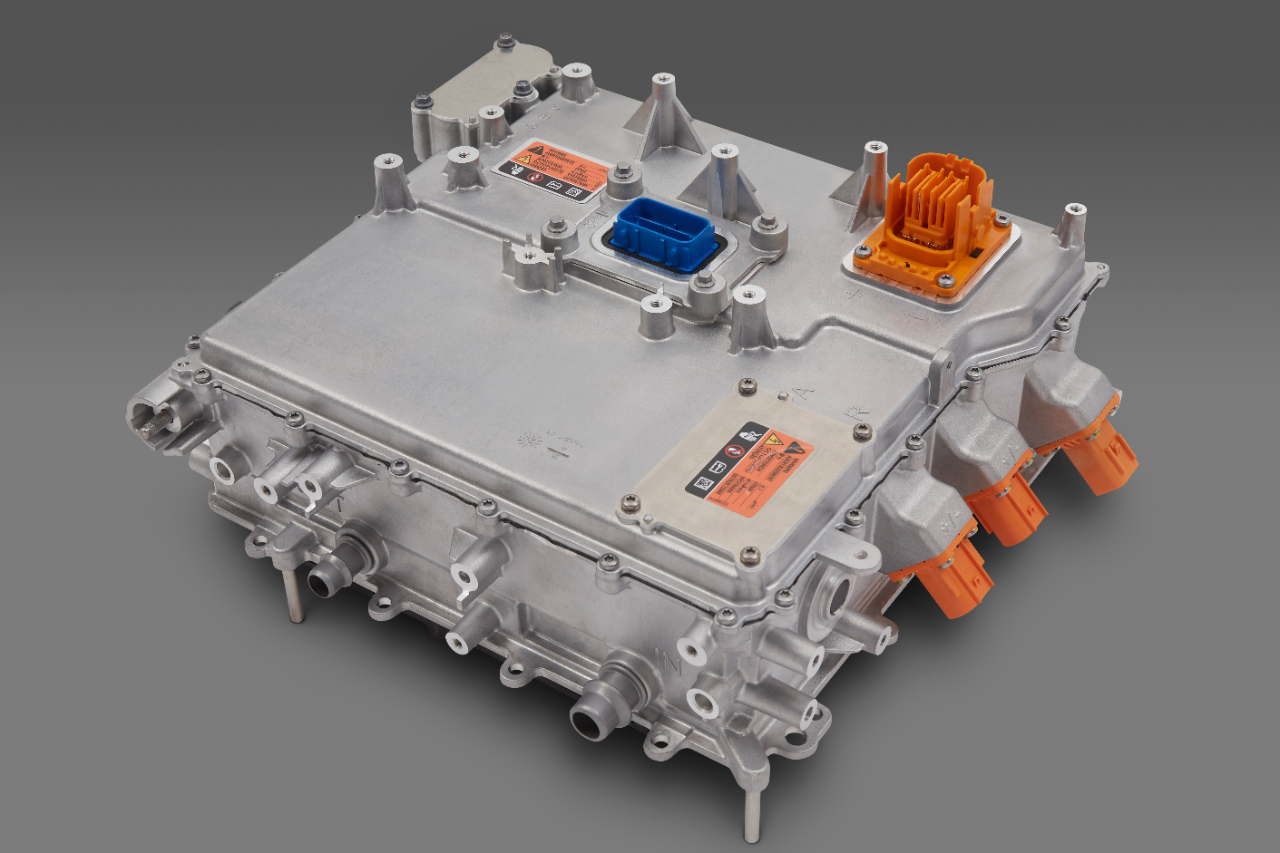
The power electronics in a GM EV consist of a number of different components to control the flow of electricity. Typically, many or all of these are housed within a single unit, the Integrated Power Electronics (IPE) unit. The IPE is often integrated into an EV drive unit, which also houses the motor and gearset that spins the wheels.
- Inverter: This is what converts the direct-current (DC) electricity from the battery into three-phase alternating-current (AC) electricity that spins the motor. The inverter also converts the AC electricity of regenerative braking – when the motor slows down – into DC electricity to go back into the battery.
- On-Board Charging Module: Converts AC electricity from your home or a public AC charger into DC energy for the battery.
- Accessory Power Module: While an EV has a high-voltage battery to drive the wheels, it also uses a traditional 12-volt battery to power certain features, like power windows, lights and infotainment system. This module converts the high-voltage DC electricity to low-voltage DC to charge the small battery and run some electronic systems.
- Battery Disconnect Unit: This is what isolates the large, high-voltage battery from the rest of the car. In the case of a crash, for example, the Battery Disconnect Unit is designed to automatically and immediately switches off the connection between the battery and the drive unit for safety.
The inverter is one of the most critical components in an EV. Its job is to convert DC power from the battery into AC power for the motor so that the motor can produce torque, a rotational force, based on driver inputs – i.e. pressing the accelerator pedal. Our power inverters are really what help make the motors spin,” says Bethany Combs, Power Electronics Design System Engineer at GM.
Understanding how inverters work is no simple task. At GM, there are engineers who have dedicated their professional lives to the subject. In simple terms, an inverter has six switches that cycle on and off in different combinations to create a rotating electromagnetic field in the motor that drives the wheels. These switches open and close thousands of times a second, far quicker than you can switch on and off your flashlight.
The inverter plays a huge role in defining the character of a vehicle and how it responds to the driver’s inputs, while also contributing to overall system performance and safety. Part of its job is to ensure that the motor outputs the appropriate amount of torque based on driving needs.
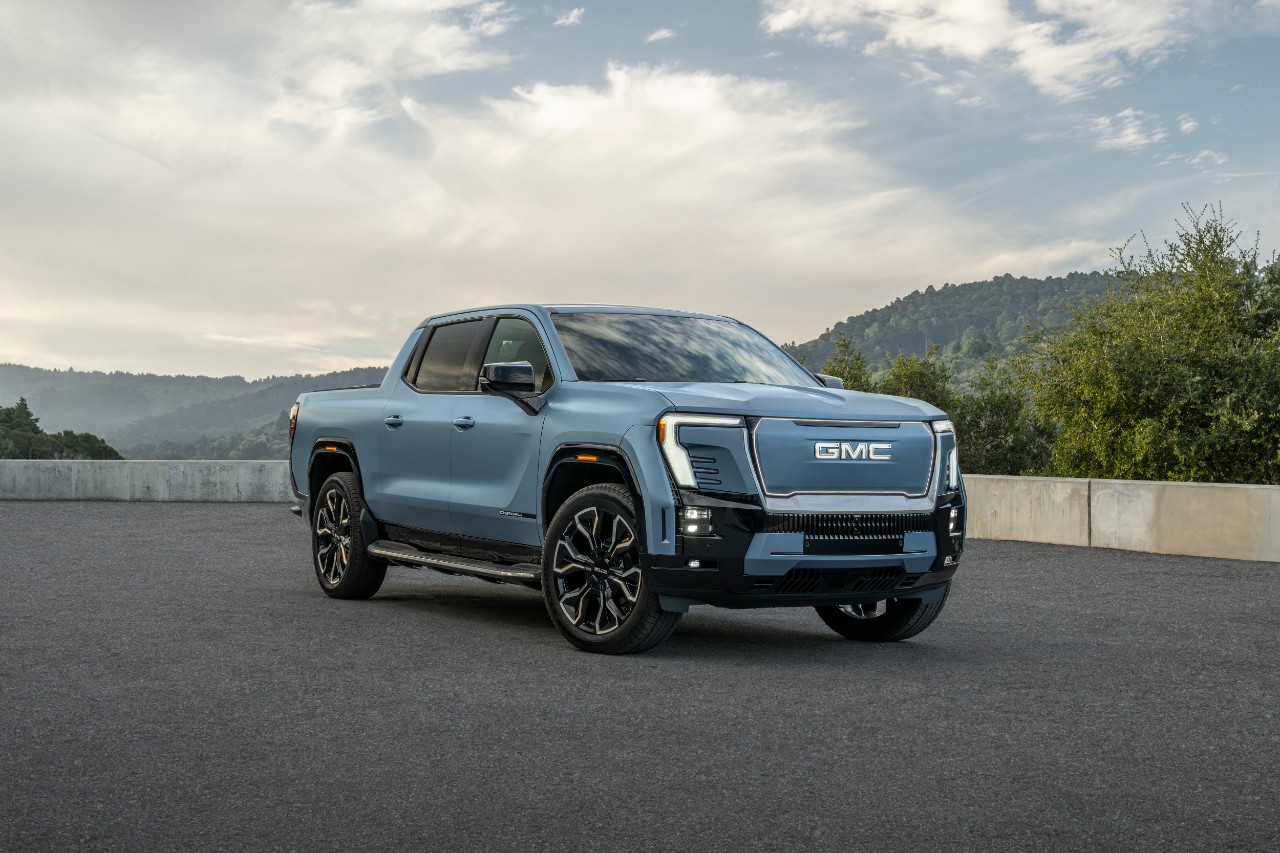
GM recently introduced new Silicon Carbide (SiC) switches for the inverters of some of its EVs, which enables an efficiency upgrade compared to traditional silicon. Like battery chemistries, there are tradeoffs with drive unit and power electronics materials – silicon carbide costs more than silicon but conducts electricity more quickly. By using it in select inverters, GM aims to minimizes energy loss that naturally occurs in the conversion process, while optimizing vehicle efficiency, helping to ensure more of the battery’s energy goes directly to the motors for more range.
“We want to give consumers the biggest bang for their buck,” adds Voss. So, GM uses SiC in select EVs, prioritizing where the demand on the motors is highest.
All the other components in the IPE unit are there to help safely manage the flow of power into the battery and to sustain accessory loads.
Like the switch in a flashlight, the IPE unit is the unsung hero of the EV. It’s easy to focus on motors and batteries, but they’re only made useful with power electronics. It’s why people like Voss, Combs, and so many more work so hard on optimizing these components. Their efforts directly translate to vehicle performance and efficiency.