GM started an automotive computing revolution in the 1970s, and we're doing it again today
2026-11-12
When the first microprocessors hit the market in the early 1970s, it was inevitable that they would soon end up in passenger cars. By combining functions that previously required multiple components onto a single, small chip, the microprocessor ushered in a computing revolution. Getting steadily more capable every year, the microprocessor held enormous potential for controlling vehicle systems.
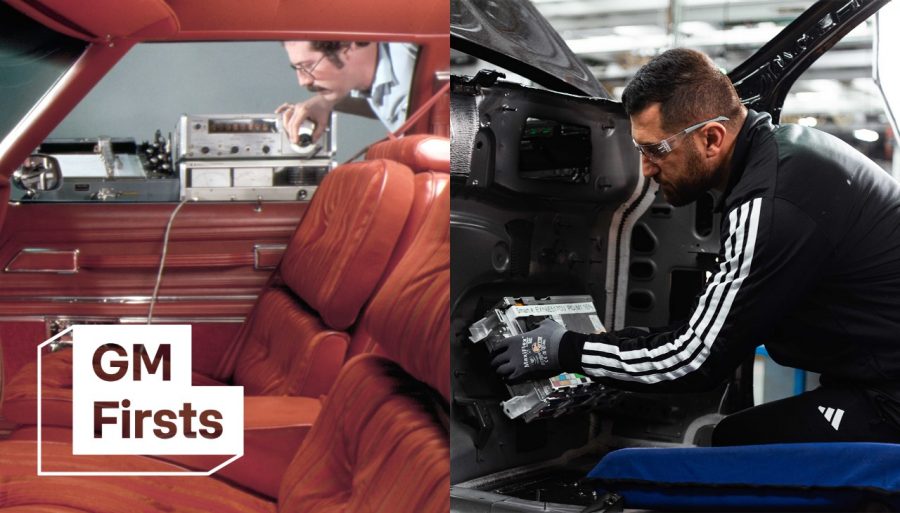
GM’s first foray into the world of automotive microprocessors came in 1976. The 1977 Oldsmobile Toronado debuted a system called Microprocessed Sensing and Automatic Regulation, or MISAR. The system used a digital computer to control the ignition of the engine’s spark plugs. It was the first microprocessor used in a production passenger vehicle.
Traditionally, a mechanical distributor—itself a 1912 invention of longtime GM Research head Charles Kettering—controlled engine ignition. A simple, effective solution, but one that doesn't allow for much flexibility. While MISAR wasn’t the first electronic ignition system in the automotive industry, it was the first to use a digital computer. The computer read inputs from sensors around the engine and made thousands of calculations a second to determine exactly when the spark plug should fire, helping boost fuel economy.
At the time, GM President Pete Estes said, “[O]nce this new electronic technology is aboard our cars, it can then take on many other tasks. For instance, it can provide digital readouts for the driver. It can be adapted to diagnostic applications. Of course, more sophisticated engine controls then become possible, as do such things as computer-controlled, anti-skid braking and the simplification of the electrical wiring system. Ultimately, we may consider a central computer encompassing all of them."
His words proved prophetic.
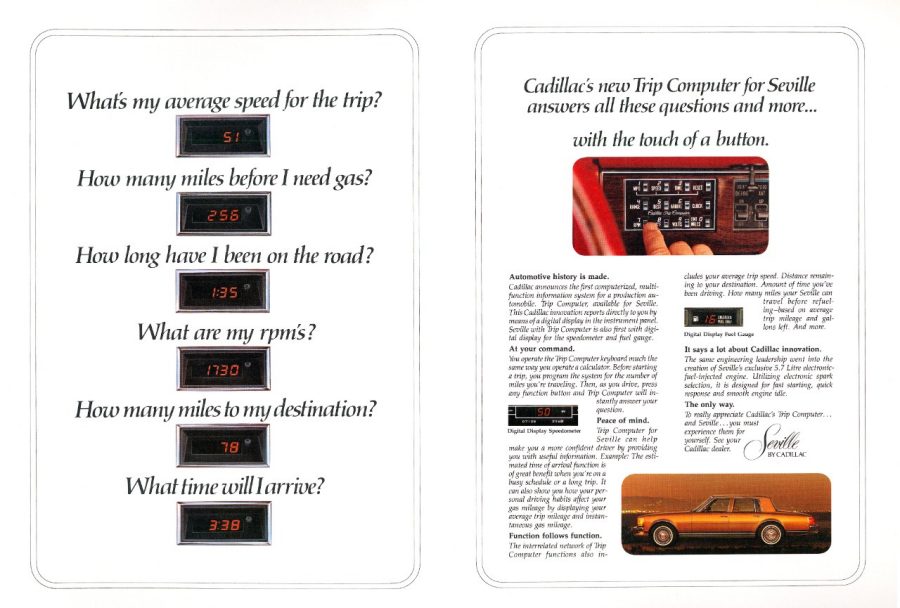
A year later, digital readouts became a reality. Cadillac debuted the 1978 Seville, which featured the world’s first automotive trip computer as an option. Using a simple digital display, the Trip Computer could report range, average speed, average fuel economy, time spent driving, and even estimated time and distance to arrival.
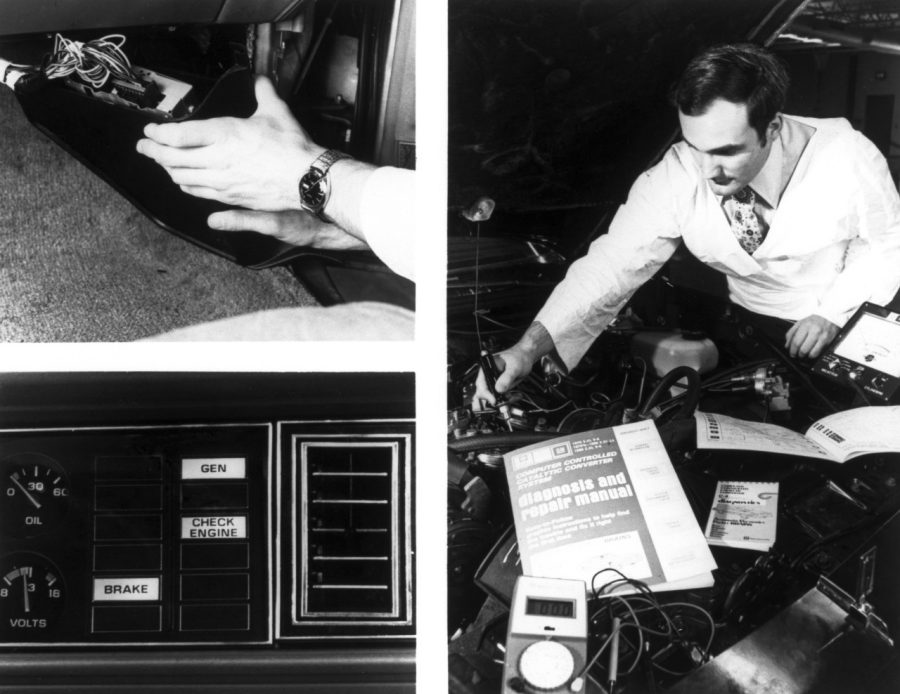
These were but opening salvos, though, as in 1980, GM went all in on the potential of microprocessors. For the majority of model-year 1981 vehicles, the company introduced Computer Command Control (CCC). An even more advanced system than MISAR, CCC could control all three ingredients an internal-combustion engine needs to run—fuel, air, and ignition—plus the emissions control system, and transmission where applicable. CCC also enabled the auto industry’s first on-board diagnostic system which could warn drivers of potential faults and help mechanics determine and fix the issue.
“It is the most effective engine management system ever developed anywhere,” said John R. Wilson, General Manager of GM’s AC division, in a 1980 publication detailing CCC. “The system, developed at considerable risk by General Motors, has already been proven in a wide variety of vehicle applications supplied in large volumes for customer and company car use in prior model years. It will provide General Motors the means to meet all of 1981's more demanding emissions standards, while still giving the customer maximum fuel economy without compromising their needs for satisfaction with vehicle performance.”
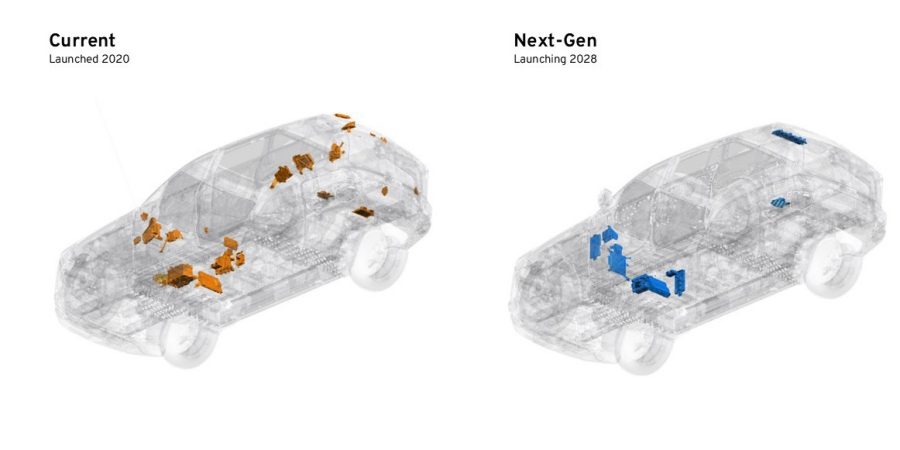
CCC helped open the floodgates for wide microprocessor use in passenger vehicles. As vehicles became more complex, microprocessors started managing more vehicle functions beyond the powertrain. Today, for example, you might have dozens of microprocessor-powered control units for engine, chassis, infotainment, driver assistance, comfort features, and more. Some of the most complex cars in the industry have up to 150 control units.
The problem is that different control units speak different computing languages. Coordinating amongst all these various systems becomes a real challenge, making over-the-air software updates, AI features, autonomous driving systems, and more advancements extremely difficult. None of these control units on its own is particularly powerful either, nor can their power be shared across functions—they’re really only capable of performing one or two specific tasks.
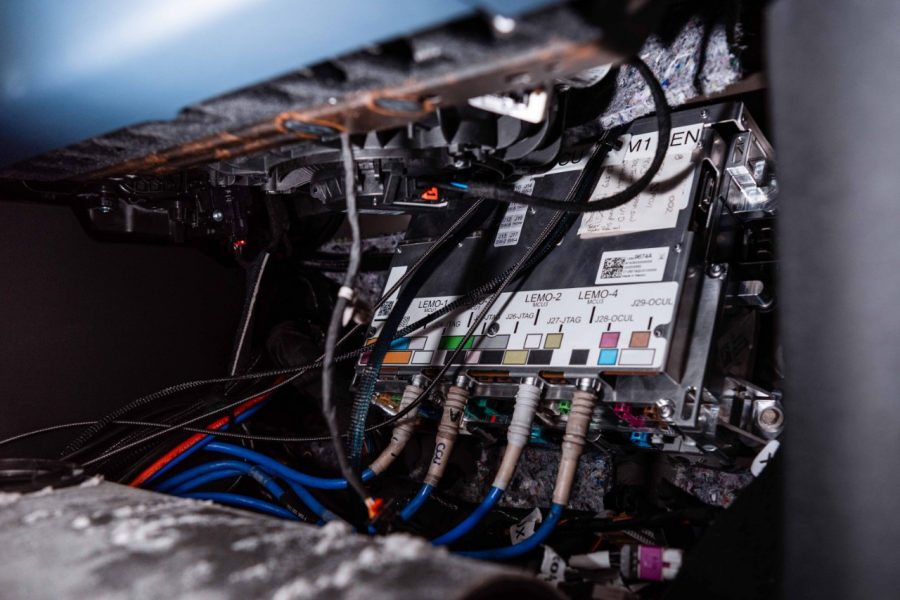
Today, GM is making Estes’ vision of a “central computer” controlling all vehicle systems a reality. Rather than having dozens of individual computers each controlling one or two vehicle systems each, GM will use a central compute unit (CCU) to manage most vehicle functions, with only software that must be very close to the hardware or actuators for latency or other reasons, living in other places.
In 2028, the Cadillac ESCALADE IQ will debut GM’s new central compute and electrical architecture, with more EVs and internal-combustion vehicles to follow.
The CCU is a liquid-cooled unit with the AI compute power of up to 35 laptops. To keep the wiring simple, saving weight and cost, components in a specific “zone”—front left, front right, and rear of the vehicle—will be connected to an “aggregator” that communicates directly with the CCU via high-speed ethernet.
“Since we’re building one electrical and compute platform for both gas and EVs, we can develop capabilities once and reuse them across our portfolio,” says Gary Cygan, GM Director of Software and Electronics Engineering. “The learning from one vehicle can now benefit 100 times more customers—not just the customer in that vehicle.”
“That creates a flywheel,” he continues. “More compute and more vehicle data give us more opportunities to learn, and that learning can be reused across the portfolio. Each solution, software update and validation result strengthens the fleet. When we solve a problem, the capability can be reused on the next vehicle.”
Fifty years ago, GM was at the forefront of a revolution, reimagining the car for the digital age. It took decades of technological advancements to make it possible, but now, it’s at the start of another revolution, rethinking the computer’s role in the car, just like Pete Estes predicted.
Check out our past installments of GM Firsts: